Writing a Prototype Test Brief for a Collectible Cabinet
A collectible-cabinet prototype test brief should connect each purchasing question to a named specimen, controlled setup, review method, acceptance basis and decision owner.
- Published
- 2026-10-24
- Updated
- 2026-10-24
- Reading time
- 6 minutes
A collectible-cabinet prototype test brief should connect each purchasing question to a named specimen, controlled setup, review method, acceptance basis and decision owner. Write those fields before the sample is built.
Three decisions to carry into your project.
- 01
Identify the specimen and the decision being requested
- 02
Describe the merchandise and operating setup
- 03
Use a brief that an observer can complete
Start with the decision
A collectible-cabinet prototype test brief should connect each purchasing question to a named specimen, controlled setup, review method, acceptance basis and decision owner. Write those fields before the sample is built. Otherwise a cabinet demonstration can produce encouraging photographs without resolving the questions needed for production approval.
This guide provides a practical brief and an editable worksheet. It does not prescribe load limits, operating cycles, electrical tests or a certification standard. Those requirements must be selected for the actual cabinet by the responsible specialists. The worked scenario is illustrative, not a BENSON test result or a completed customer project.
Identify the specimen and the decision being requested
Start the brief with the fixture ID, drawing revision, sample reference and date of issue. Include the proposed materials, hardware and lighting references. List temporary or substituted parts explicitly so reviewers know which observations can transfer to the production design.
State what the review will decide: merchandise retrieval, door travel, service access, a visible interface or another defined question. Use a separate line for each outcome. A general request to approve the cabinet is difficult to interpret when appearance, operation and documentation are at different stages of readiness.
If the team has not yet decided what to prototype, use the prototype-selection guide first. If the question concerns the difference between a finish chip and an assembled sample, use the material-sample comparison. This brief begins after the review scope has been selected.
Describe the merchandise and operating setup
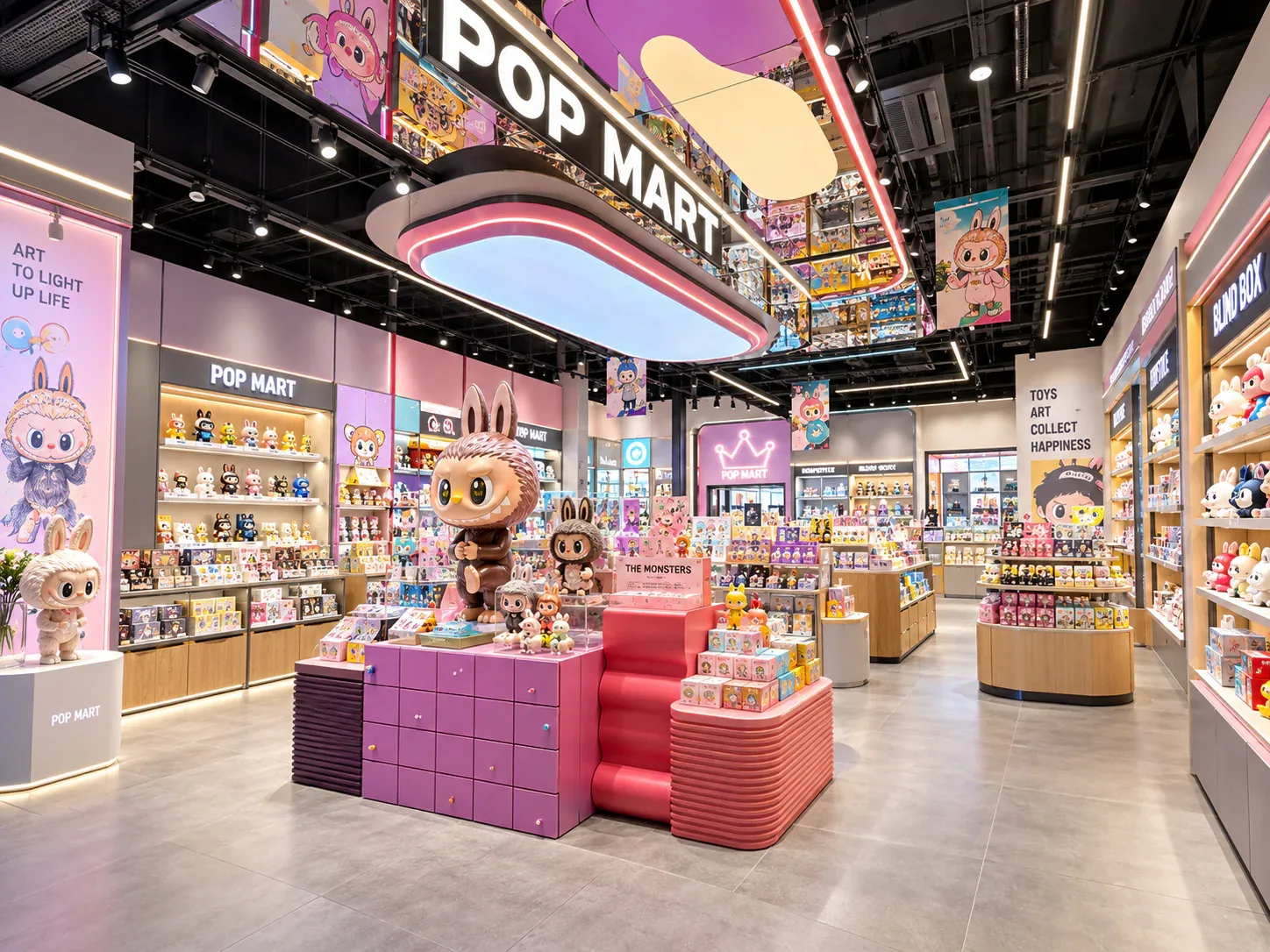
Record the assembled figure envelope, base dimensions and relevant handling requirements. Identify whether the reviewer uses real merchandise, a dimensioned substitute or an empty cabinet. A substitute can help assess a geometric question, but its weight, fragility and surface may not represent the object eventually sold.
Describe surrounding conditions that affect the review. Door travel can depend on an adjacent cabinet or aisle. Removing a figure may require room for the base, the operator's hands and the return path. Driver replacement may depend on a service panel that becomes inaccessible once the unit is installed.
Photograph the setup with its references visible. Include a marked drawing showing the observation position and any nearby fixture represented by a mock-up. Record what is absent. A successful check in an open workshop should not silently become approval for a more restricted installation.
Use a brief that an observer can complete
See the decision table below for the working record.
The editable cabinet prototype test-brief worksheet contains these working fields. Complete an individual row for every independent question. Blank criteria mean the question is still open; they are not permission for the observer to invent a passing result.
Separate observation from specialist performance testing
A purchaser can observe whether the intended figure passes through an opening under a documented setup. That observation does not establish structural capacity or long-term durability. Likewise, seeing a lamp operate does not complete an electrical-safety assessment.
SGS describes furniture inspection and testing as different services covering several performance areas. Its service information supports identifying the appropriate evidence route; it does not mean SGS has assessed this cabinet or that any particular standard applies. Name a specialist review separately when the decision requires one.
Protolabs explains that prototype-process selection should suit the properties being evaluated. Apply that general distinction by documenting the relationship between the specimen and production intent. Do not transfer a conclusion from a simplified mock-up to a different material or connection without reviewing whether the original method remains relevant.
Apply the brief to an illustrative retrieval check
Suppose a retailer intends to display a tall statue with a broad base. The cabinet drawing shows a hinged door and an adjustable shelf. The purchasing question is whether a staff member can remove the assembled statue through the opening using the agreed handling approach.
The brief identifies the cabinet revision, the intended statue or a documented substitute, the shelf position and the adjacent fixture arrangement. It asks the observer to record the usable opening, the handling sequence and any contact or obstruction. The acceptance basis is agreed with the buyer before review, rather than chosen after watching the demonstration.
During the check, the operator finds that a temporary hinge allows a wider opening than the specified hinge. The appropriate outcome is not an unrestricted pass. Record the substitution and repeat the affected observation with the intended hardware or another approved representative arrangement. The finish comparison can remain a separate decision if its setup has not changed.
Record outcomes that explain what happens next
Use explicit outcomes such as requirement met, correction required, not performed or unable to conclude. Attach the reason and the responsible party. A video without an outcome leaves later reviewers guessing whether it was a demonstration, a proposed method or an accepted result.
Do not hide a changed criterion inside a comment thread. If the buyer agrees to different merchandise placement or a revised handling method, document the change and assess the implications for drawings, operations and quoted scope. A commercial concession is not the same as evidence that the original requirement was met.
For a correction, retain the initial observation, proposed action and required recheck. Specify whether the change affects only one cabinet or a repeated interface used across the order. Closing the first specimen does not automatically resolve other configurations that differ in size, hardware or access.
Transfer the decision into the release package
Before production release, reconcile the completed brief with the current drawing and material schedule. Confirm the accepted hardware and any permitted substitutions. Identify which evidence is retained, who controls it and which unresolved items prevent release.
Use the collectible-cabinet specification guide to connect the brief to the intended merchandise, and the quality-control scope to distinguish prototype review from batch inspection. Discuss the deliverable register through engineering coordination. A completed brief should let someone who missed the demonstration understand exactly what was checked, what was accepted and what remains to be done.
Compare one controlled basis.
How we apply this decision.
Before production release, reconcile the completed brief with the current drawing and material schedule. Confirm the accepted hardware and any permitted substitutions. Identify which evidence is retained, who controls it and which unresolved items prevent release.
Review BENSON capabilities →What still needs project confirmation.
Use the actual site, merchandise and supplier information to confirm the project-specific arrangement. Illustrative examples do not establish technical suitability.
Prepare the required inputs →Avoid these shortcuts.
- Treating a reference image as an approved production specification.
- Comparing suppliers without identical dimensions, quantities and delivery scope.
- Separating material, lighting or hardware decisions from the drawing revision.
- Leaving packing, local installation and site interfaces undefined.
Before the next approval.
- Identify the specimen and the decision being requested
- Describe the merchandise and operating setup
- Use a brief that an observer can complete
- Record each open point, owner, due date and required evidence.
Trace the supporting information.
SGS: furniture inspection and testing services ↗Further reading referenced in this guide.
Protolabs: selecting a rapid prototyping process ↗Further reading referenced in this guide.
Content review policyUpdated 2026-10-24. AI-assisted buyer guidance; no independent technical review is claimed.
Move from research to a project decision.
Keep building the specification.

Recording Prototype Comments Without Conflicting Instructions
Record fixture prototype feedback in one numbered comment register, separate suggestions from authorised changes, and resolve disagreements before releasing instructions to the supplier. Each decision should identify the specimen, drawing revision, affected feature and person entitled to approve it.
Read next →
Reviewing a Fixture Prototype by Live Video
Review a fixture prototype by live video using an agreed viewing sequence, identifiable specimen and written observation record. The camera should connect each requested view to a specific purchasing question.
Read next →
Comparing Material Samples with Full-Size Fixture Prototypes
Use a material sample to approve a defined surface or material reference, and use a full-size fixture prototype to review the assembled relationships that a small sample cannot show. Keep the two approvals separate.
Read next →Get a project-specific recommendation.
Send your store plan, product sizes, fixture quantities, destination and opening target. BENSON will identify the product fit, engineering inputs and quotation basis.
Start Your Display Project