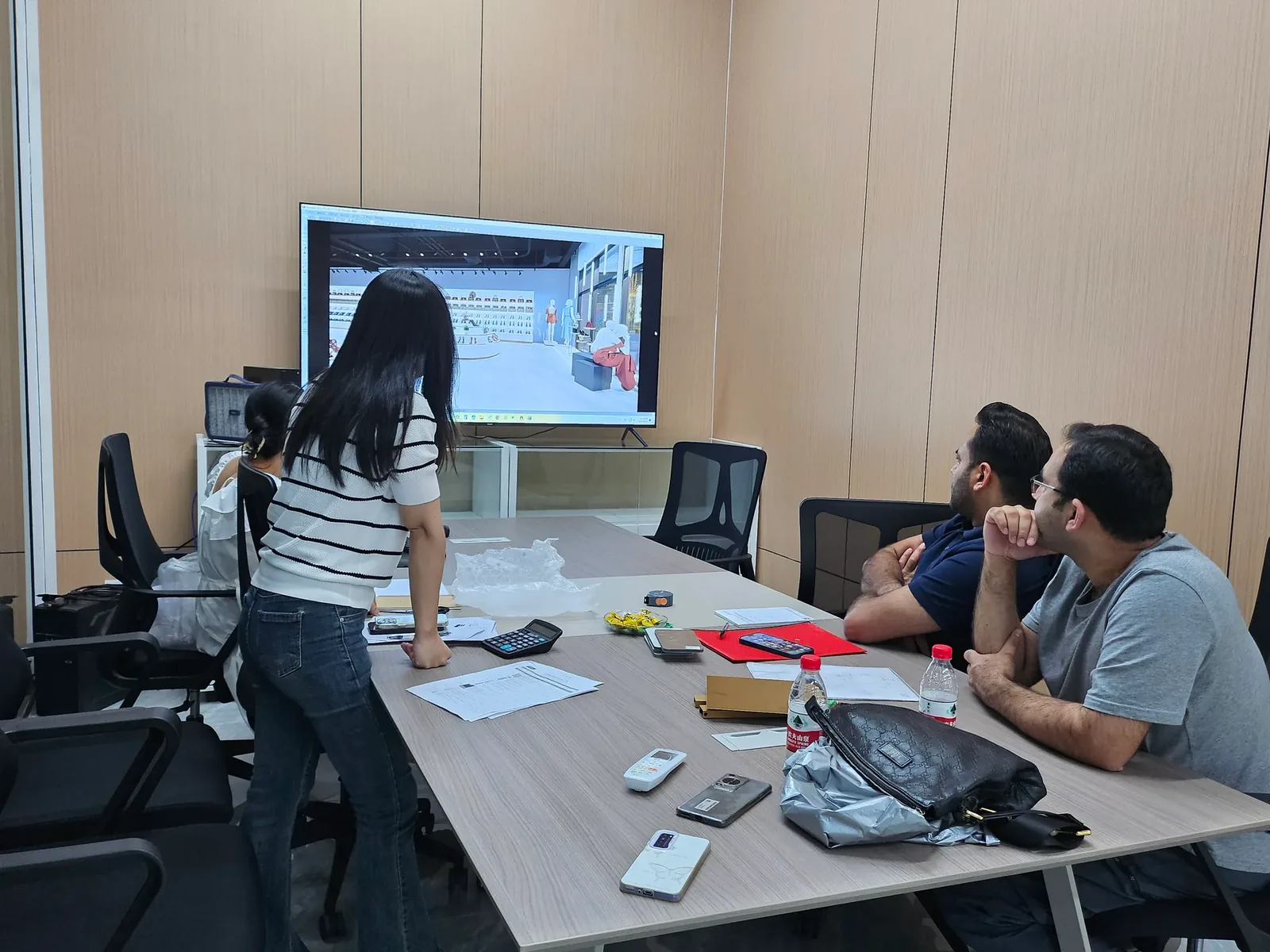
Reviewing a Fixture Prototype by Live Video
Review a fixture prototype by live video using an agreed viewing sequence, identifiable specimen and written observation record.
- Published
- 2026-10-25
- Updated
- 2026-10-25
- Reading time
- 6 minutes

Review a fixture prototype by live video using an agreed viewing sequence, identifiable specimen and written observation record. The camera should connect each requested view to a specific purchasing question.
Three decisions to carry into your project.
- 01
Agree the people, documents and recording rules first
- 02
Begin with identity and a continuous overview
- 03
Use a view sequence tied to decisions
Start with the decision
Review a fixture prototype by live video using an agreed viewing sequence, identifiable specimen and written observation record. The camera should connect each requested view to a specific purchasing question. Treat an interrupted, obscured or incomplete observation as unresolved rather than turning a convenient call into a blanket production approval.
This guide addresses how an overseas buyer can organise and document a remote review. It does not replace a qualified inspection, prescribe technical tests or certify the fixture. The scenario below is illustrative, not a BENSON inspection result. Select the required checks in a prototype test brief before arranging the call.

Agree the people, documents and recording rules first
Name an on-site operator, a remote reviewer and a person responsible for the decision record. The operator must understand the fixture and any site restrictions; a camera alone cannot supply missing technical competence. Decide who may accept an observation, request a correction or defer a decision to engineering.
Send the current drawing, specimen reference, question list and known substitutions before the meeting. Ask everyone to use the same revision. If the reviewer cannot identify the cabinet or the drawing being discussed, pause the decision instead of relying on the supplier's general description.
Agree whether recording or still photographs are permitted, what may be shown and who receives the files. Clear unrelated customer material and confidential drawings from view. Record only the information required for this review; a supplier's consent to show one prototype is not permission to distribute a complete workshop walkthrough.
Begin with identity and a continuous overview
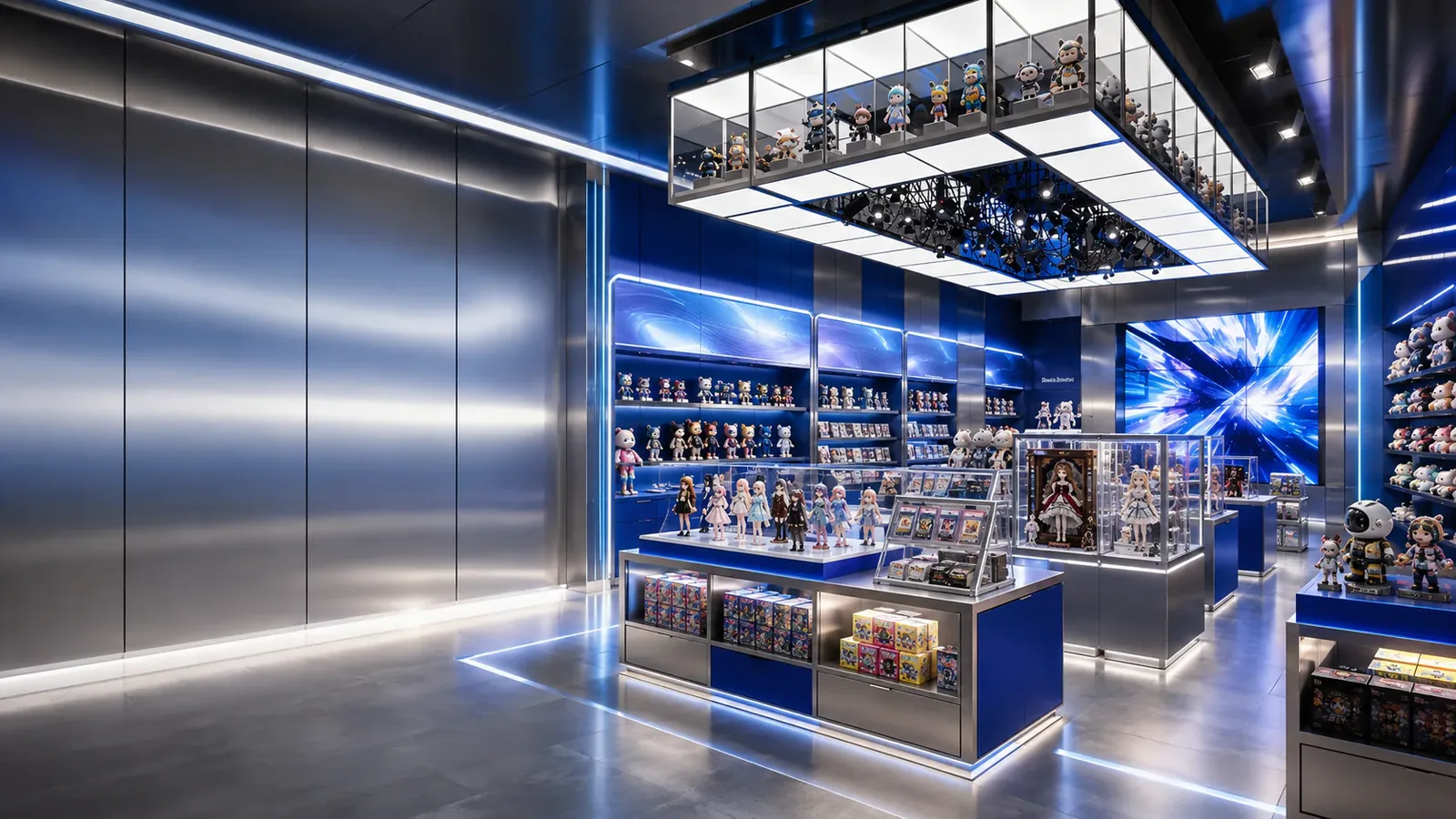
Ask the operator to show the specimen reference and then move to an overall view of the same fixture. Relate its doors, shelves and service panels to the marked drawing. Establish which sides are visible and which are blocked or inaccessible.
An overview gives context to later close-ups. A tight shot can make a defect visible while hiding whether it belongs to the requested unit or whether adjacent components affect the observation. Move between context and detail deliberately, keeping the decision ID in the spoken or written record.
SGS describes remote participation linking a buyer with an on-site inspector through live audio and video. That is a useful example of a structured evidence route, not proof that SGS is involved in this project. A supplier-led video call and an independently appointed inspection must be described according to the service actually arranged.
Use a view sequence tied to decisions
See the decision table below for the working record.
Plan time for the difficult views rather than spending the call on a general tour. For a collectible cabinet, the relevant sequence might include the opening, the intended merchandise arrangement and the access route for replacing a driver. The approved brief determines the sequence; this example is not a mandatory test procedure.
Distinguish seeing an action from confirming a result
For a measurement, identify the reference points before the reading is shown. Ask for an angle that lets the reviewer understand the relationship between the tool and the part. A number held up to the camera without its measurement context does not establish the requested dimension.
For an operating observation, establish the initial configuration and show the complete agreed action. If the picture freezes during door travel or product retrieval, the reviewer has missed part of that action. Resume from an identifiable starting condition or mark the item for another review; do not fill the missing interval with an assumption.
Do not request improvised load, electrical or stability demonstrations merely because the sample is available. Such checks require an appropriate method, equipment and competent people. A remote observer should not direct an unplanned operation outside the agreed scope or the operator's safe working arrangements.
Record visibility limits as part of the evidence
Glare, camera position, compression, background noise and poor lighting can make an observation inconclusive. State which condition affected the result and what additional evidence would resolve it. This is more useful than labelling the entire call satisfactory or unsatisfactory.
Treat colour and texture judgments cautiously. A video can show where materials meet, while screen appearance alone may not settle a finish match. Keep physical control samples and the material approval record separate from the visual call.
When a still image or document is supplied afterwards, label it as supplementary evidence rather than silently replacing the live observation. Record its specimen reference, source and relationship to the outstanding question. If the requested review requires an independent witness, supplier photographs do not automatically fulfil that requirement.
Work through an illustrative interrupted review
Imagine a buyer reviewing a cabinet's driver service opening. The overview establishes the unit and drawing. During removal of a service panel, the connection drops, and the next visible image shows the driver already accessible. The call demonstrates the final arrangement but not the steps required to reach it.
The reviewer records the gap against the service-access question. The operator can repeat the agreed sequence when the connection recovers, provided the setup is unchanged and the operation remains appropriate. If repeating is impractical, the team can request a clearly identified continuous supplementary record or arrange a separate review, according to the brief.
Other observations from the same call may remain usable. A readable specimen label or an uninterrupted door-clearance view does not need to be discarded simply because the service sequence was incomplete. Keep the outcome at decision level rather than awarding or withdrawing one approval for the whole session.
Close the call with a decision-by-decision readback
For each question, state what was observed, what remains uncertain and who owns the next action. Use explicit outcomes such as observed against the agreed basis, correction requested, not witnessed or referred for specialist review. Avoid vague chat messages that can be interpreted as permission to manufacture.
Link retained recordings, images and marked drawings to the observation IDs. Document any revised method or additional review required. The person controlling production release should receive this record together with the current drawing, not only a meeting invitation or a message saying the video went well.
Use the quality-control scope, collectible cabinet specification and engineering deliverables to allocate the follow-up. A useful remote review makes its evidence and its limits understandable to someone who was not on the call.
Compare one controlled basis.
How we apply this decision.
For each question, state what was observed, what remains uncertain and who owns the next action. Use explicit outcomes such as observed against the agreed basis, correction requested, not witnessed or referred for specialist review. Avoid vague chat messages that can be interpreted as permission to manufacture.
Review BENSON capabilities →What still needs project confirmation.
Use the actual site, merchandise and supplier information to confirm the project-specific arrangement. Illustrative examples do not establish technical suitability.
Prepare the required inputs →Avoid these shortcuts.
- Treating a reference image as an approved production specification.
- Comparing suppliers without identical dimensions, quantities and delivery scope.
- Separating material, lighting or hardware decisions from the drawing revision.
- Leaving packing, local installation and site interfaces undefined.
Before the next approval.
- Agree the people, documents and recording rules first
- Begin with identity and a continuous overview
- Use a view sequence tied to decisions
- Record each open point, owner, due date and required evidence.
Trace the supporting information.
SGS: supply-chain services and remote inspection participation ↗Further reading referenced in this guide.
Intertek: remote video inspection announcement ↗Further reading referenced in this guide.
Content review policyUpdated 2026-10-25. AI-assisted buyer guidance; no independent technical review is claimed.
Move from research to a project decision.
Keep building the specification.

Recording Prototype Comments Without Conflicting Instructions
Record fixture prototype feedback in one numbered comment register, separate suggestions from authorised changes, and resolve disagreements before releasing instructions to the supplier. Each decision should identify the specimen, drawing revision, affected feature and person entitled to approve it.
Read next →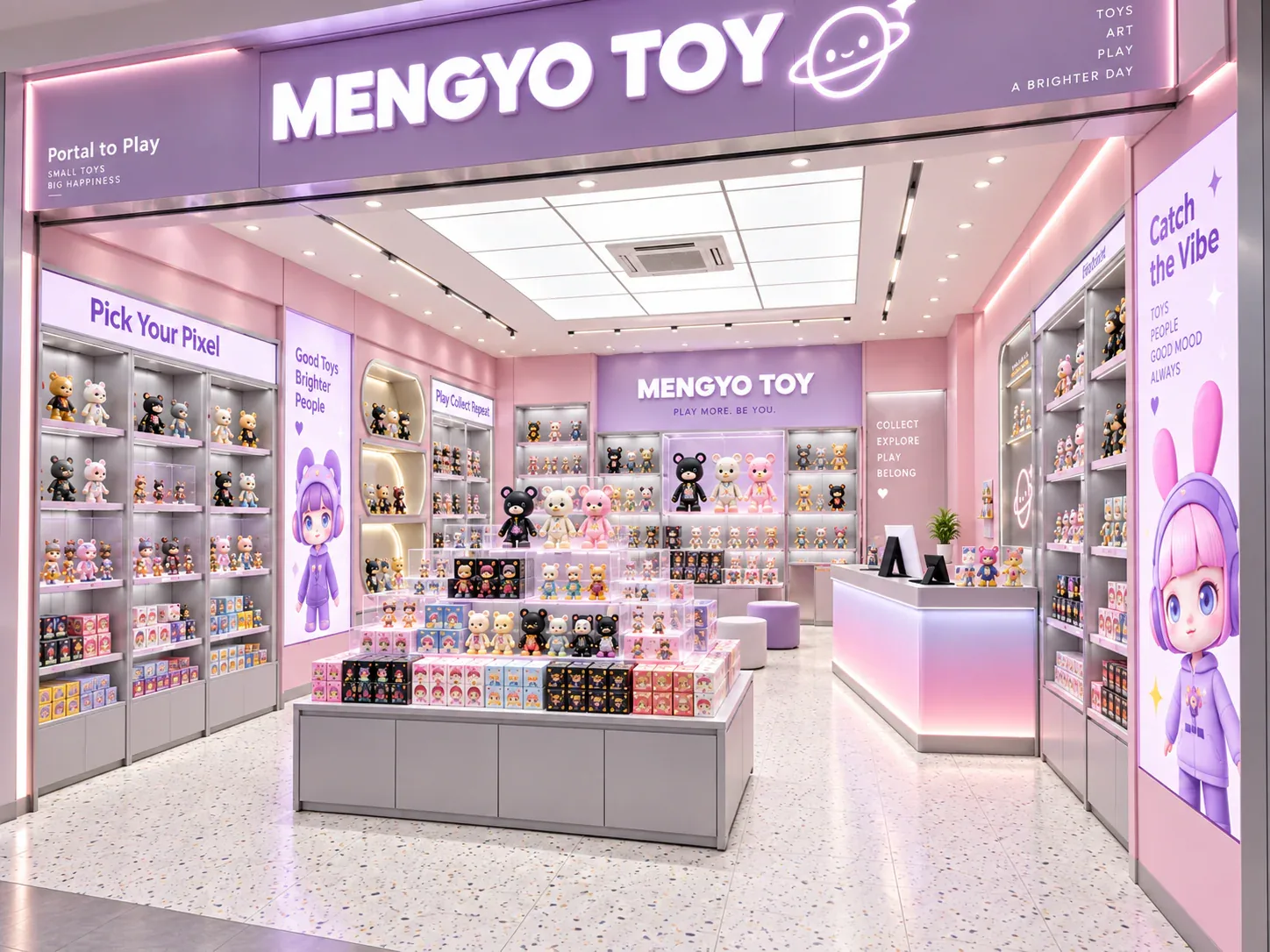
Writing a Prototype Test Brief for a Collectible Cabinet
A collectible-cabinet prototype test brief should connect each purchasing question to a named specimen, controlled setup, review method, acceptance basis and decision owner. Write those fields before the sample is built.
Read next →
Comparing Material Samples with Full-Size Fixture Prototypes
Use a material sample to approve a defined surface or material reference, and use a full-size fixture prototype to review the assembled relationships that a small sample cannot show. Keep the two approvals separate.
Read next →Get a project-specific recommendation.
Send your store plan, product sizes, fixture quantities, destination and opening target. BENSON will identify the product fit, engineering inputs and quotation basis.
Start Your Display Project