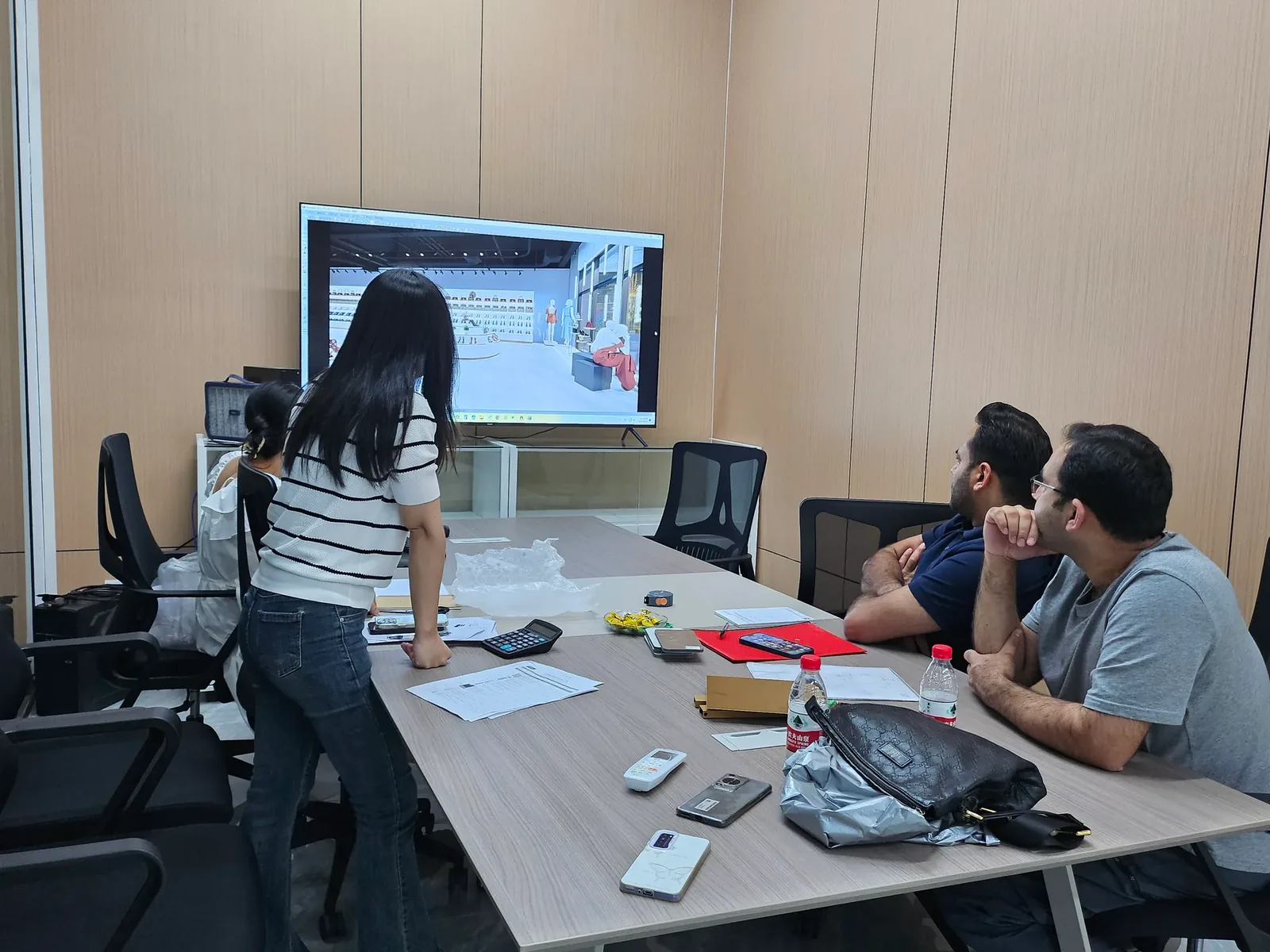
Comparing Material Samples with Full-Size Fixture Prototypes
Use a material sample to approve a defined surface or material reference, and use a full-size fixture prototype to review the assembled relationships that a small sample cannot show.
- Published
- 2026-10-23
- Updated
- 2026-10-23
- Reading time
- 6 minutes
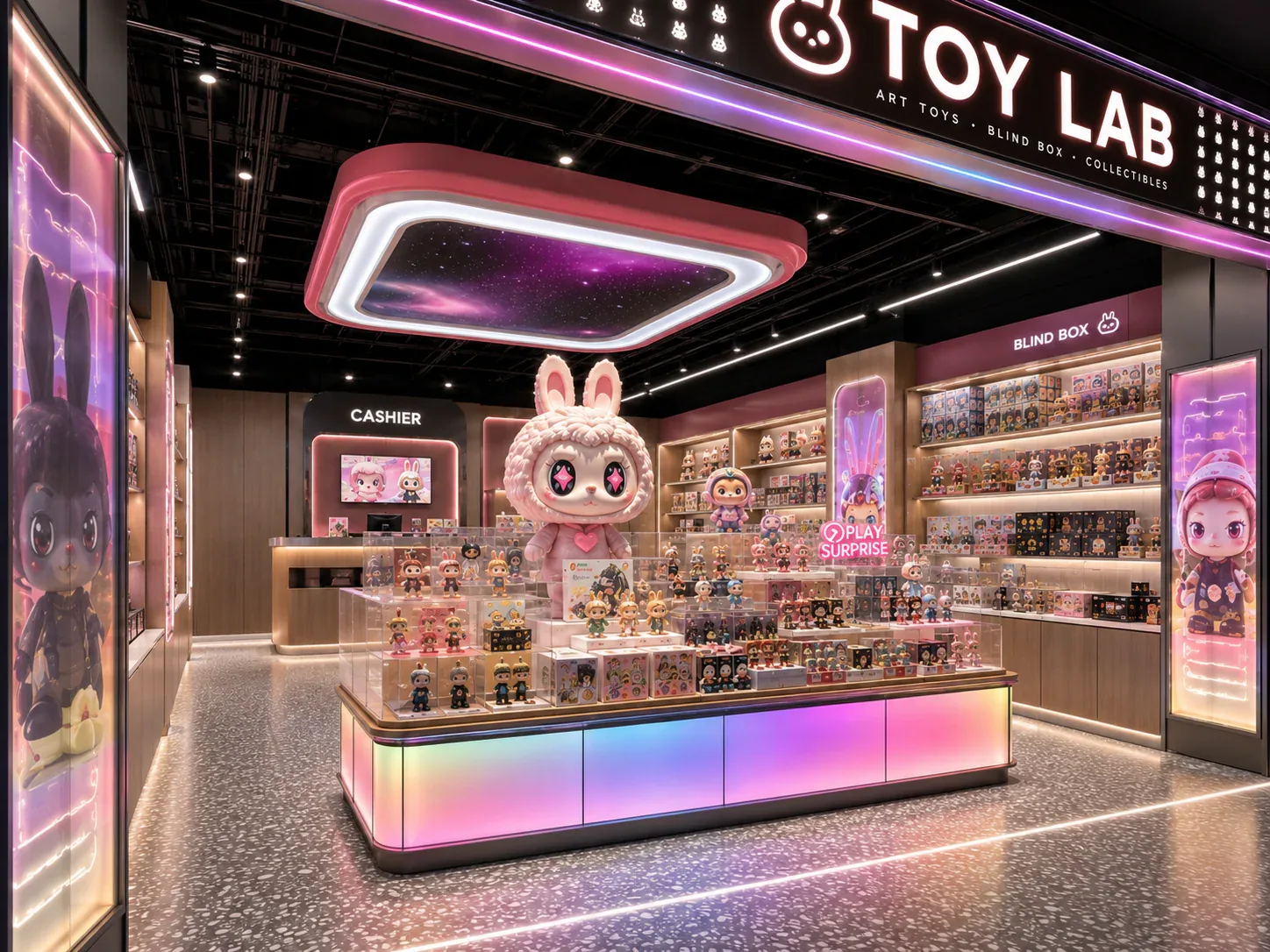
Use a material sample to approve a defined surface or material reference, and use a full-size fixture prototype to review the assembled relationships that a small sample cannot show. Keep the two approvals separate.
Three decisions to carry into your project.
- 01
Write down what each sample actually represents
- 02
Distinguish surface approval from assembled appearance
- 03
Compare evidence using an approval matrix
Start with the decision
Use a material sample to approve a defined surface or material reference, and use a full-size fixture prototype to review the assembled relationships that a small sample cannot show. Keep the two approvals separate. A laminate chip does not establish the appearance of a complete counter, and a working cabinet does not automatically approve every finish or material substitution used to build it.
This guide helps a buyer compare the evidence supplied at each stage and create a transferable approval record. It does not decide which details require a prototype; that earlier decision is covered in the prototype-selection guide. The example here is illustrative, not a delivered BENSON project or an independent material test.

Write down what each sample actually represents
Give every sample a reference that identifies its material, finish, supplier description and intended fixture location. State whether it represents the proposed production process or is only a visual approximation. A painted chip on one substrate may not represent an assembled edge, joint or differently prepared panel.
Record the sample size and orientation when these affect the comparison. A small piece can show color and texture while revealing little about a large pattern repeat, grain direction or a joint between adjacent panels. Ask the supplier to identify the product and finish codes rather than retaining only an informal description such as pale oak or satin black.
Formica advises buyers to obtain physical samples before final selection because displayed swatches may differ from the final product. This supports using a physical reference rather than a screen image; it does not establish that a particular laminate is suitable for the fixture, destination or cleaning regime in your project.

Distinguish surface approval from assembled appearance
Inspect the control samples beside the proposed glass, metal and graphics under representative lighting. Note which combinations are accepted, not just which individual chip looks attractive. Two surfaces can be acceptable separately but create an unwanted contrast when they meet at a counter corner.
Next compare the prototype at the actual joints, edges and transitions. Look at how the selected finish meets the door frame, how edge treatment changes the visible line, and whether the pattern direction follows the approved intent. These are assembly observations, so they need a drawing or location reference in addition to the sample code.
Do not use a general prototype approval to erase a known substitution. If the prototype has temporary glazing or a different coating, keep that component open. Write explicitly which observations remain useful despite the substitution and which must be repeated with production-intent components.
Compare evidence using an approval matrix
See the decision table below for the working record.
Add an approval-status column in your own working file: accepted, accepted only for a stated purpose, correction required, or not reviewed. This prevents a later reviewer from mistaking a discussion photograph for a signed control sample.
Check whether prototype materials match production intent
Request a substitution list before inspecting the unit. Include structural members, panels, finishes, transparent materials, hardware and lighting. The supplier should distinguish a deliberate temporary part from an error or an unspecified change.
A prototype can still be useful when its materials differ, but its evidence must be limited to the questions it represents. A temporary panel may support a layout discussion while being unsuitable for approving edge appearance. A different hinge may allow an opening to be demonstrated while leaving final hardware travel and adjustment unresolved.
Protolabs' manufacturing guidance discusses selecting prototype processes in relation to the properties required for evaluation. The general lesson is to match the evidence to the intended decision. Its production processes and performance claims are not retail-fixture specifications and are not evidence that this cabinet has passed a particular test.
Work through an illustrative counter review
Imagine a buyer comparing a painted counter front, a wood-look worktop and a metal trim. The three small samples have been accepted individually. On the full-size prototype, the worktop pattern changes direction at the return, and the trim creates a visible shadow next to the painted front.
The team should retain the accepted material codes while opening two assembly comments: the pattern layout and the trim interface. Rejecting every sample would discard useful decisions; signing off the whole prototype would leave the visible problem unresolved. Assign each comment to a marked drawing view and request an updated corner detail or representative section.
Suppose the prototype also uses a temporary drawer handle. Its position can be discussed, but final handle appearance and the actual grip clearance remain pending until the specified component is supplied. The record should say this rather than relying on reviewers to remember a verbal explanation.
Keep physical references and correction history
Label retained samples with their references, approval purpose and date. Agree who keeps the control set and how another production location or inspector will obtain a matching reference. A folder of photographs is not a complete replacement for physical samples where color or texture is the deciding issue.
For corrections, retain the initial comment, proposed change, affected drawing revision and review outcome. Do not replace the original image without explaining the change. Identify whether the correction affects only appearance or also changes access, hardware, dimensions or manufacturing scope.
Where a correction introduces a new material or process, request the evidence appropriate to that change. Avoid treating a previous visual approval as confirmation of cleaning resistance, load capacity, electrical performance or local compliance. Those questions require their own agreed documentation or testing.
Transfer approval into the production package
Before release, reconcile the approved sample register with the latest drawings and material schedule. Each fixture reference should point to the correct material code, finish, pattern direction and relevant assembly detail. List remaining exceptions and identify who can close them.
Send this record with the engineering deliverables and use the prototype approval checklist to organise the discussion. For repeated modular displays, include the revision of the repeated interface so the approved relationship can be reproduced rather than reinterpreted at each store. The useful outcome is a clear boundary between what has been accepted and what still needs confirmation.
Compare one controlled basis.
How we apply this decision.
Before release, reconcile the approved sample register with the latest drawings and material schedule. Each fixture reference should point to the correct material code, finish, pattern direction and relevant assembly detail. List remaining exceptions and identify who can close them.
Review BENSON capabilities →What still needs project confirmation.
Use the actual site, merchandise and supplier information to confirm the project-specific arrangement. Illustrative examples do not establish technical suitability.
Prepare the required inputs →Avoid these shortcuts.
- Treating a reference image as an approved production specification.
- Comparing suppliers without identical dimensions, quantities and delivery scope.
- Separating material, lighting or hardware decisions from the drawing revision.
- Leaving packing, local installation and site interfaces undefined.
Before the next approval.
- Write down what each sample actually represents
- Distinguish surface approval from assembled appearance
- Compare evidence using an approval matrix
- Record each open point, owner, due date and required evidence.
Trace the supporting information.
Formica: physical sample selection guidance ↗Further reading referenced in this guide.
Protolabs: selecting a rapid prototyping process ↗Further reading referenced in this guide.
Content review policyUpdated 2026-10-23. AI-assisted buyer guidance; no independent technical review is claimed.
Move from research to a project decision.
Keep building the specification.

Recording Prototype Comments Without Conflicting Instructions
Record fixture prototype feedback in one numbered comment register, separate suggestions from authorised changes, and resolve disagreements before releasing instructions to the supplier. Each decision should identify the specimen, drawing revision, affected feature and person entitled to approve it.
Read next →
Reviewing a Fixture Prototype by Live Video
Review a fixture prototype by live video using an agreed viewing sequence, identifiable specimen and written observation record. The camera should connect each requested view to a specific purchasing question.
Read next →
Writing a Prototype Test Brief for a Collectible Cabinet
A collectible-cabinet prototype test brief should connect each purchasing question to a named specimen, controlled setup, review method, acceptance basis and decision owner. Write those fields before the sample is built.
Read next →Get a project-specific recommendation.
Send your store plan, product sizes, fixture quantities, destination and opening target. BENSON will identify the product fit, engineering inputs and quotation basis.
Start Your Display Project