Transferring Prototype Lessons into Production Instructions
Transfer prototype lessons into production by turning each accepted finding into an identifiable drawing, material reference, work instruction or inspection requirement.
- Published
- 2026-10-28
- Updated
- 2026-10-28
- Reading time
- 6 minutes
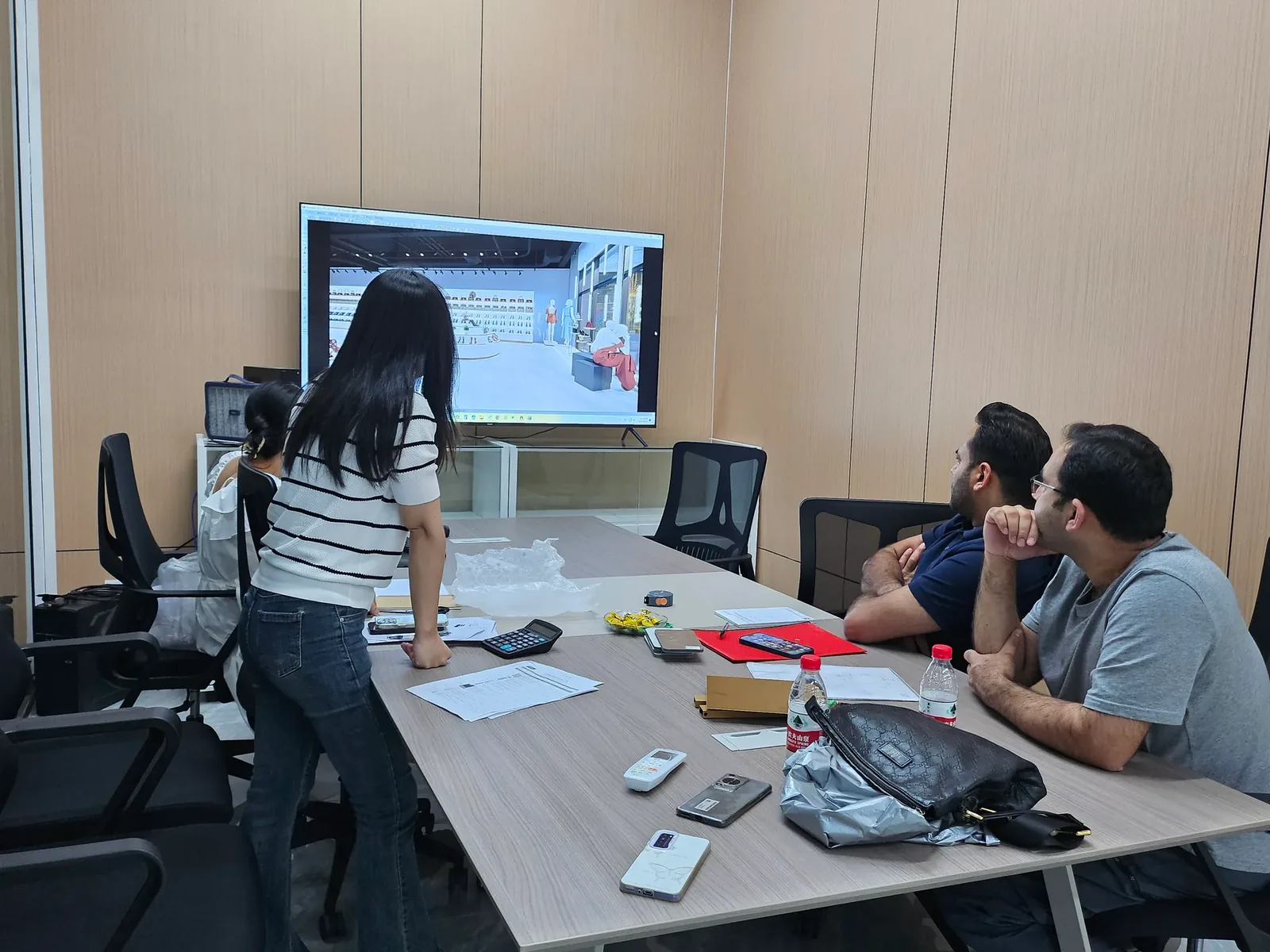
Transfer prototype lessons into production by turning each accepted finding into an identifiable drawing, material reference, work instruction or inspection requirement. Give the supplier one current release package and ask the production team to explain how it will reproduce the accepted details.
Three decisions to carry into your project.
- 01
Separate accepted lessons from unresolved experiments
- 02
Identify the production difference that matters
- 03
Map each lesson to the document used at work
Start with the decision
Transfer prototype lessons into production by turning each accepted finding into an identifiable drawing, material reference, work instruction or inspection requirement. Give the supplier one current release package and ask the production team to explain how it will reproduce the accepted details. A retained sample is useful evidence, but it cannot describe every hidden component or assembly decision.
The buyer's task is to preserve what the prototype taught the team when different people, tools or production methods take over. This guide focuses on that handover, after the review and necessary repeat checks have been completed. It offers an editorial coordination method, not manufacturing certification or a universal technical specification.
Separate accepted lessons from unresolved experiments
Start with the prototype decision record. Identify which findings led to accepted corrections, which proposals were rejected and which questions remain open. Do not copy an entire discussion thread into a workshop instruction and expect the assembler to determine which message governs.
For each accepted lesson, describe the actual outcome to preserve. “Keep the improved shelf” is ambiguous. A useful record identifies the shelf arrangement, applicable drawing revision and relevant acceptance reference. Avoid adding dimensions or tolerances from memory; the authorised technical documents must supply them.
Where evidence remains incomplete, return to the prototype repeat-check process. Mark open details as holds with a responsible person. A production handover should make missing decisions visible rather than allowing a deadline to turn them into assumed approvals.
Identify the production difference that matters
Ask how the prototype was made and how the order will be made. A hand-fitted component may need a clearer production definition. A temporary light, substituted hinge or manually positioned graphic may not represent the intended purchase. Record those differences even when the prototype's overall appearance has been accepted.
Request the supplier's proposed production approach for affected features. The buyer need not dictate every workshop operation, but should understand whether the agreed outcome depends on an undocumented adjustment. Where process changes could affect required performance or appearance, ask the responsible technical reviewer what additional evidence is needed.
Keep commercial and technical decisions connected. If a production alternative changes the price or schedule, identify the separate commercial approval. Acceptance of a sample does not automatically authorise a material substitution, an additional charge or a different delivery commitment.
Map each lesson to the document used at work
The following table is an original handover aid. Select the documents needed for the project and assign an owner for each update. The important point is that the information reaches the person making or checking the fixture.
See the decision table below for the working record.
Record the lesson ID beside the revised document reference. This makes it possible to trace a workshop instruction back to the reason for it without requiring every operator to read the full prototype history.
Make instructions usable at the point of assembly
Ask the supplier to show how critical instructions will be available to production and inspection personnel. A buyer-facing presentation may communicate the design well while omitting the reference an assembler needs. Use clear part identification and illustrations where they improve understanding, with technical content prepared or checked by the responsible people.
Avoid relying on phrases such as “same as the sample” for hidden fasteners, cable routes or internal supports. Identify those details through the appropriate controlled records. If a physical reference sample is retained, label its identity, revision, approved scope and known exceptions. Protect it from accidental modification or use as an ordinary sales sample.
Agree how superseded documents will be removed from active use while retaining the decision history. Translation should preserve part references and technical meaning; ask the supplier to clarify ambiguous terms before release. Informal chat can help resolve a question, but the resulting decision belongs in the current instruction set.
Illustrative example: protecting an accepted graphic
Assume a hypothetical cabinet prototype shows scuffing on a graphic panel after final assembly. The team agrees a revised assembly order and temporary protection arrangement, then checks the corrected result. These are invented circumstances, not a BENSON customer case or a validated protection method.
The lesson is more specific than “avoid scratches.” The handover identifies the accepted panel reference, the supplier's revised work instruction and the point at which appearance will be checked. Any protective material and removal method require agreement for the actual finish; the example does not prescribe a tape, film or adhesive.
The production supervisor explains the sequence using the released instruction. Inspection confirms what evidence will be recorded before packing. Purchasing checks that the order references the same graphic revision. If the supplier proposes a different protection method, the team reviews its effect rather than assuming the original check covers it.
A clear transfer closes the gap between a successful demonstration by the prototype maker and a repeatable instruction for another operator. It still does not prove that every unit will be free from damage; production inspection remains necessary.
Review one coherent release package
Before releasing the order, reconcile the drawing list, component and finish references, assembly instructions, inspection requirements and packaging information. Check that they describe the same configuration. List approved exceptions separately and define whether they apply to one unit, one fixture family or the complete order.
NASA's public product-transition guidance discusses accompanying documentation, readiness and the capture of decisions and lessons. These general ideas explain the value of a deliberate handover. They do not impose aerospace procedures on retail cabinets or imply NASA approval of this workflow.
Use the prototype comment coordination guide to preserve the approval trail. Name the release owner and ask the supplier to acknowledge the package references, not merely reply that the project is understood.
Confirm the transfer on early production output
Agree an appropriate opportunity to review early production output before the same issue can spread through the order. Define the scope, responsible reviewer and hold arrangements with the supplier; do not invent a universal batch size or inspection frequency. Check the transferred lessons against actual production evidence and record any difference from the accepted configuration.
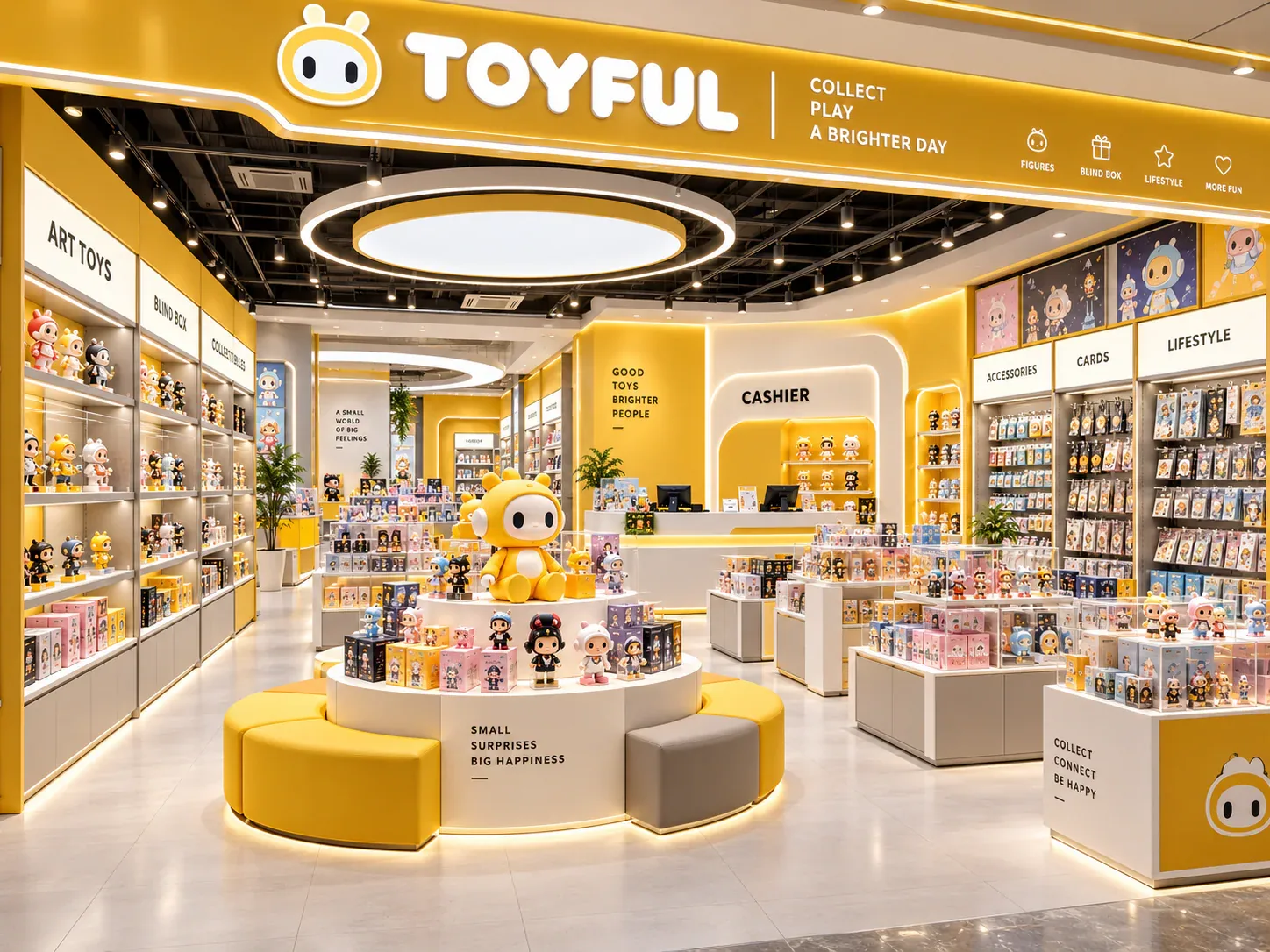
For custom toy store fixtures, make sure repeated wall bays, islands and cabinets receive the lessons that apply to them. Coordinate the release records through manufacturing. If the first production review reveals a new problem, update the affected instructions and review its wider impact before continuing the affected work.
Compare one controlled basis.
How we apply this decision.
Agree an appropriate opportunity to review early production output before the same issue can spread through the order. Define the scope, responsible reviewer and hold arrangements with the supplier; do not invent a universal batch size or inspection frequency. Check the transferred lessons against actual production evidence and record any difference from the accepted configuration.
Review BENSON capabilities →What still needs project confirmation.
Use the actual site, merchandise and supplier information to confirm the project-specific arrangement. Illustrative examples do not establish technical suitability.
Prepare the required inputs →Avoid these shortcuts.
- Treating a reference image as an approved production specification.
- Comparing suppliers without identical dimensions, quantities and delivery scope.
- Separating material, lighting or hardware decisions from the drawing revision.
- Leaving packing, local installation and site interfaces undefined.
Before the next approval.
- Separate accepted lessons from unresolved experiments
- Identify the production difference that matters
- Map each lesson to the document used at work
- Record each open point, owner, due date and required evidence.
Trace the supporting information.
NASA: 5.5 Product Transition ↗Further reading referenced in this guide.
Content review policyUpdated 2026-10-28. AI-assisted buyer guidance; no independent technical review is claimed.
Move from research to a project decision.
Keep building the specification.

Retesting a Prototype After Design Corrections
Retest a corrected fixture prototype against the original failed requirement, then review whether the correction could affect previously accepted features. Identify the revised specimen and documents before testing.
Read next →
Recording Prototype Comments Without Conflicting Instructions
Record fixture prototype feedback in one numbered comment register, separate suggestions from authorised changes, and resolve disagreements before releasing instructions to the supplier. Each decision should identify the specimen, drawing revision, affected feature and person entitled to approve it.
Read next →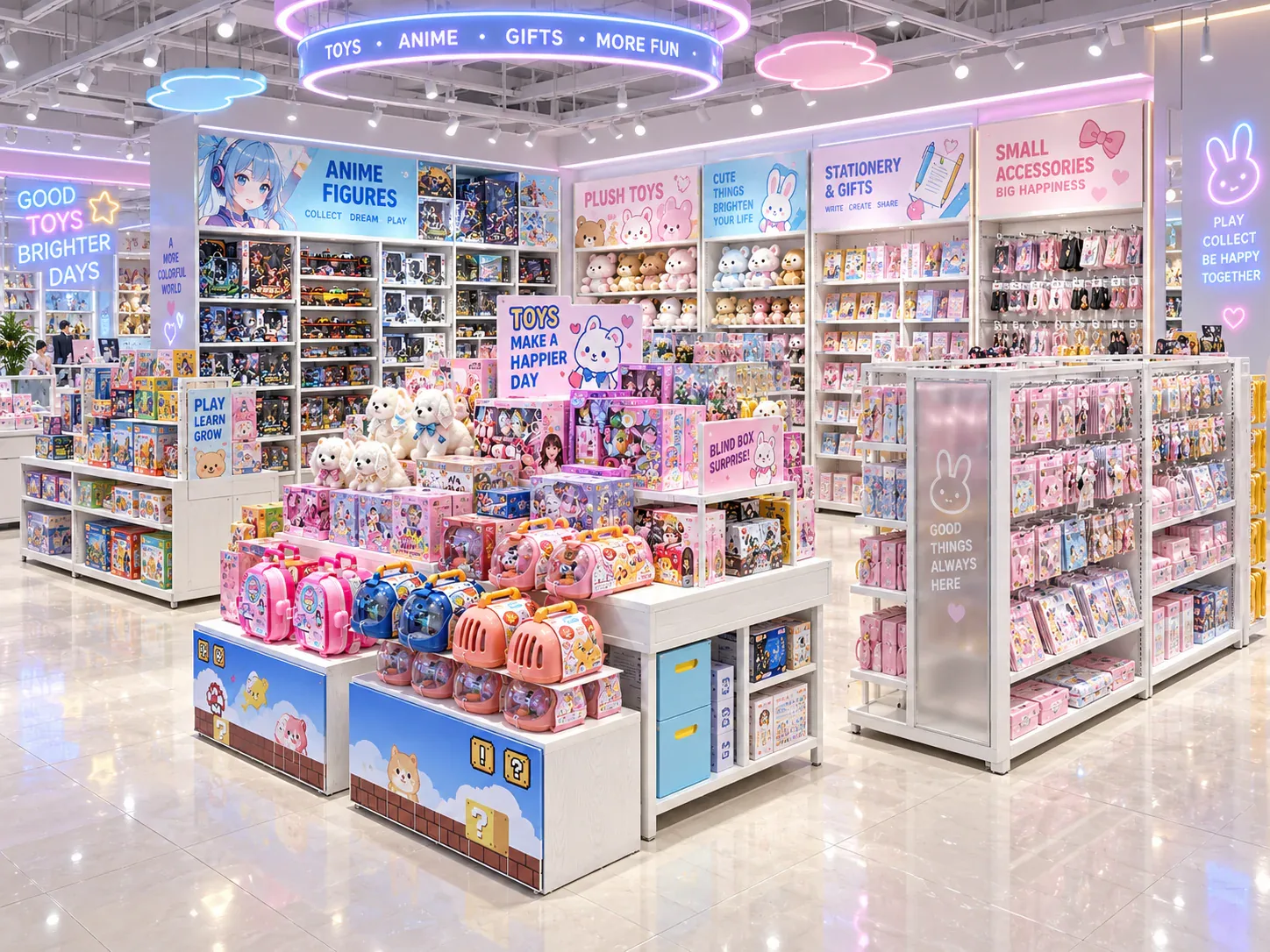
Reviewing a Fixture Prototype by Live Video
Review a fixture prototype by live video using an agreed viewing sequence, identifiable specimen and written observation record. The camera should connect each requested view to a specific purchasing question.
Read next →Get a project-specific recommendation.
Send your store plan, product sizes, fixture quantities, destination and opening target. BENSON will identify the product fit, engineering inputs and quotation basis.
Start Your Display Project