Preventing Deep Blind Box Shelves from Hiding Products
A deep shelf can hold more boxes behind the front row, but that extra quantity may be difficult to see, identify or maintain as products are selected.
- Published
- 2026-09-08
- Updated
- 2026-09-08
- Reading time
- 8 minutes
A deep shelf can hold more boxes behind the front row, but that extra quantity may be difficult to see, identify or maintain as products are selected. The buyer should distinguish stock depth from visible presentation.
Three decisions to carry into your project.
- 01
Decide what the rear stock is for
- 02
Review the actual viewing position
- 03
Test the shelf after selection
Start with the decision
A deep shelf can hold more boxes behind the front row, but that extra quantity may be difficult to see, identify or maintain as products are selected. The buyer should distinguish stock depth from visible presentation. A useful arrangement explains which products customers can recognise at the front and how staff manage the quantity behind them.
Review the shelf in full, partly depleted and replenished states using the actual packaging and labels. Compare the stock role of the rear area with its effect on selection and maintenance. This guide concerns merchandising and operation; it does not prescribe a universal shelf depth or establish the technical suitability of an insert, pusher or other accessory.
Decide what the rear stock is for
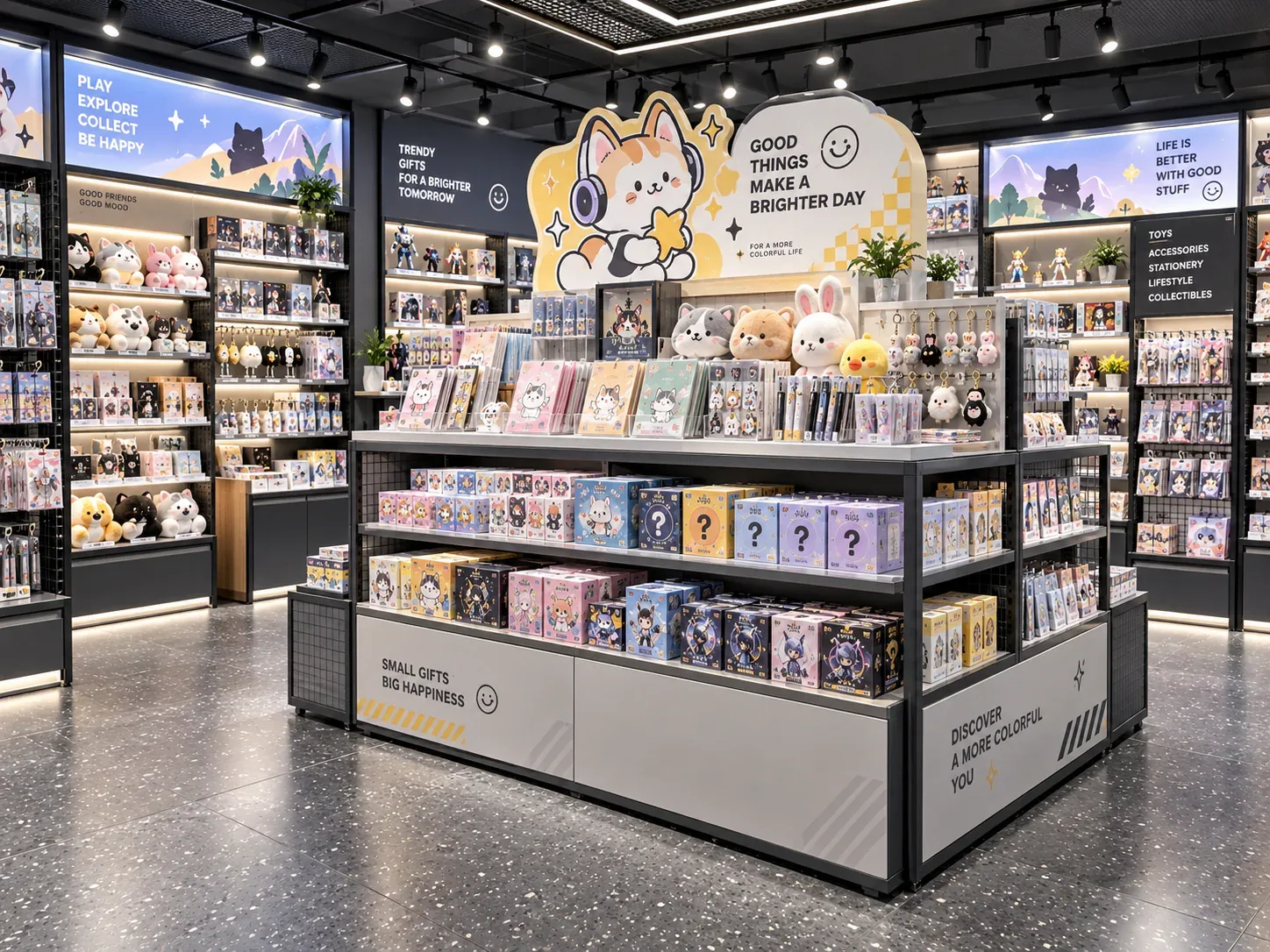
The rear quantity may support replenishment of the same product shown at the front, or it may contain different products that the retailer wants customers to discover. Those are different presentation tasks. A shelf designed for one should not silently be used for the other.
If rear stock repeats the front product, record that relationship and the process for bringing it forward. If several series share the depth, the customer and staff need a clear way to identify them. Do not assume that a large total quantity means a broad assortment is actually visible.
Keep sale-stock roles distinct from samples and packaging. A deep area may become an informal place to hide spare materials unless its purpose is defined. The shelf brief should state what belongs there and what should be stored elsewhere.
Review the actual viewing position
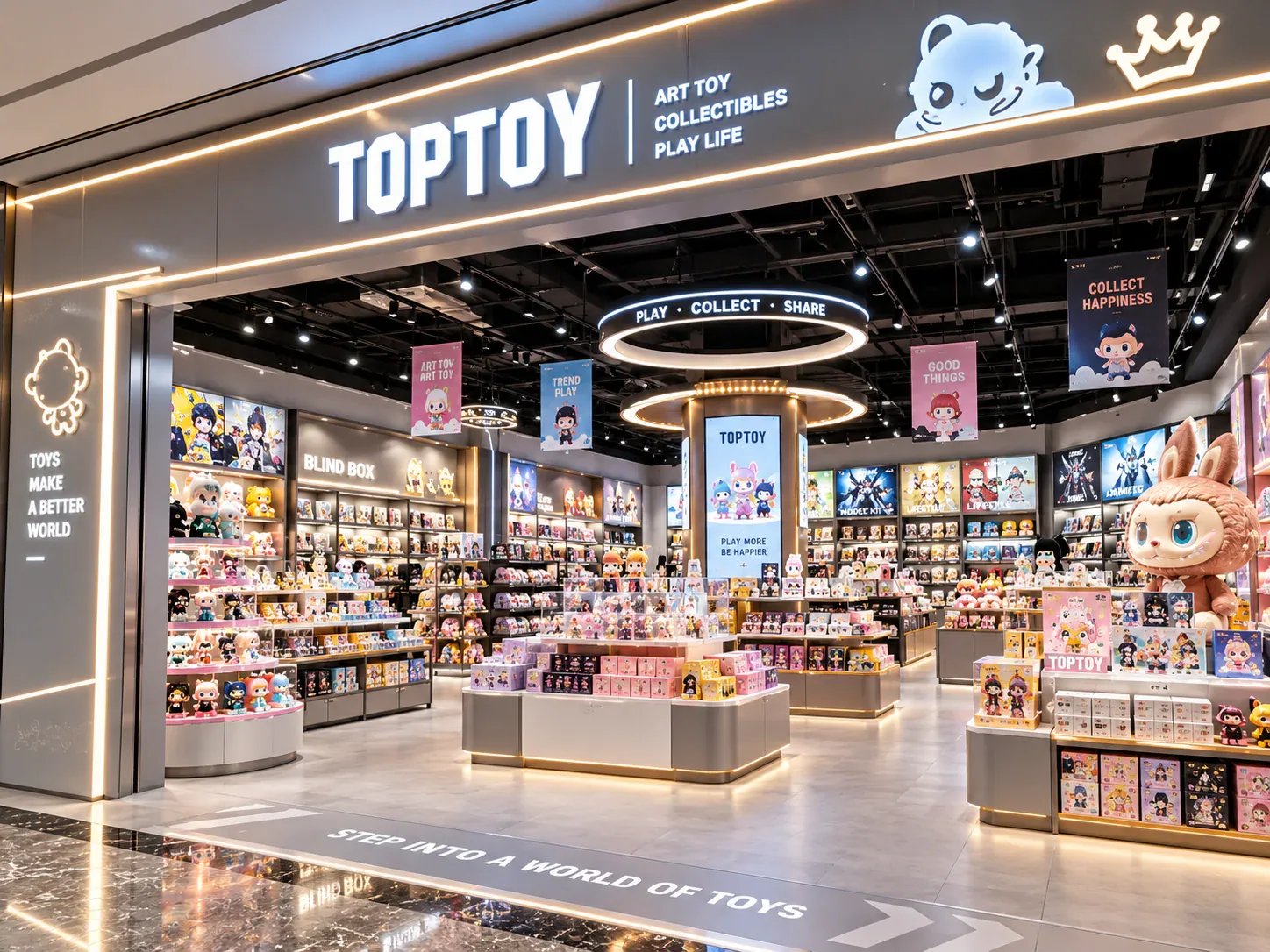
Inspect the proposed shelf from the positions where customers will browse it. The visibility of rear boxes can differ by shelf level, packaging height and the surrounding fixture. A straight-on close-up photograph does not necessarily represent the customer's view.
Include the relevant users and tasks in the design review. A person identifying a series needs different information from a staff member checking reserve quantity. The arrangement should support both through an appropriate presentation and operating process, without assuming one viewpoint serves everyone.
Use representative packaging rather than transparent or uniformly coloured placeholders. Real graphics, similar series designs and labels can change how easily the front and rear stock are distinguished. The review should show the actual information problem the shelf must solve.
Test the shelf after selection
Remove products in a way that represents ordinary customer selection. Observe what becomes visible and whether the remaining boxes still look associated with the correct label. A full shelf can conceal weaknesses that appear only when the front positions are empty.
Ask staff to demonstrate the normal recovery or replenishment task. Record whether they need to move several unrelated products, inspect hidden labels or reach through a presentation that is easily disturbed. These observations help compare arrangements beyond the opening-day photograph.
Do not assume a particular selection pattern will always occur. The test is a way to reveal possible operating issues, not a prediction of exactly which box every customer will take. Include more than one plausible depletion state where it affects the decision.
Keep labels associated with the right stock
The front label should correspond to the products represented by that position. If different series are placed behind one another, a front-facing label may describe only part of the stock. The retailer needs an intentional information arrangement rather than relying on staff knowledge to explain the hidden difference.
Review what happens when the front series sells out and another product becomes visible. Does the label still describe the item? Is the transition permitted by the merchandising plan? The operating process should prevent a stock movement from silently changing the meaning of the display.
Keep price and product-format information aligned with the actual offer. The fixture supplier can provide a suitable label location, while the retailer remains responsible for the verified information used there. A label holder alone does not solve an unclear stock allocation.
Compare three depth-management approaches
One approach uses the full depth for repeated stock behind a clearly identified front presentation. It can provide more immediately available units of that product, but requires an appropriate method for maintaining the front as stock is selected.
A second approach limits the customer-facing allocation and keeps additional reserve stock elsewhere. This may reduce the quantity held on the shelf while making the visible assortment easier to organise. The buyer should compare the resulting replenishment task and support-space requirement.
A third approach uses a supplier-designed accessory or arrangement to change how products are presented within the depth. This could include a suitable stepped presentation or another system developed for the actual package and fixture. Its operation and technical suitability must be confirmed rather than assumed from a generic reference image.
Compare all options using the same merchandise and stock objective. If one option is intended to show different series and another only repeats one series, their visible assortment and total quantities should be reported separately.
Use a shelf-state review sheet
The following table focuses the review on what changes during use. Record the actual shelf configuration and product references alongside it.
See the decision table below for the working record.
Keep the observations separate from the proposed fix. If rear stock is difficult to identify, the answer may be a different allocation rather than an accessory. The buyer should see which problem each option addresses and what new work it introduces.
Assess accessories with the real package
If an insert, divider or other component is proposed, review it with the actual box dimensions and presentation method. It can change usable width, depth and height, so the capacity calculation needs to reflect the complete configuration.
Obtain the applicable instructions and technical information from the supplier. Do not improvise a support or assume that a component designed for another merchandise format will behave suitably with blind-box packaging. The project needs evidence for the actual proposed arrangement.
Test the accessory through selection, depletion and replenishment. An arrangement that looks orderly when first filled may require a maintenance sequence the store cannot sustain. Record the task and compare it with a simpler allocation before deciding that the added component is necessary.
Review a shelf with two series in depth
Consider a hypothetical toy shop placing one blind-box series at the front of a deep shelf and another behind it. The total quantity fits, but only the front series is clearly associated with the visible label. When customers remove those boxes, the rear series appears under information that no longer describes it.
The shelf-state review makes the mismatch explicit. The team compares keeping one series through the depth, dividing the shelf into separately identified front-facing zones and moving the second series to another presentation. Each option is checked against the actual assortment and reserve-stock needs.
Staff then demonstrate recovery after several front boxes have been removed. The owner reviews the effort and the clarity of the remaining display. A proposed accessory is considered only if it addresses the defined problem and is suitable for the actual fixture and packaging.
This illustrative example does not claim that deep shelves are inherently unsuitable. It shows why the rear quantity needs a defined role and why labels must remain connected to the products that become visible during use.
Set a maintainable presentation rule
Check how staff identify the rear quantity without dismantling unrelated presentations. A stock check may need a different view from the one used by customers. The store can record a practical counting or replenishment sequence, but should not assume that hidden stock remains accurate indefinitely because it was placed correctly on opening day. Include the actual product identifiers in the process so visually similar releases are not treated as interchangeable.
Consider the shelf at the end of a campaign as well as during normal selection. Remaining boxes may be regrouped to make room for a new series. If that change places a different product behind an existing label, the information should be updated as part of the same task. A clear end-of-series procedure prevents the deep shelf from becoming an informal mixed-stock reserve that no longer matches the customer-facing presentation.
Document the accepted depth allocation with a simple diagram or reference photograph. State whether each front position represents one series through the depth or another clearly defined arrangement. Staff should be able to restore the intended presentation without reconstructing the designer's assumptions.
Review the rule when packaging or series allocation changes. A deeper or differently shaped box can alter capacity and selection, while a new graphic design can make identification more difficult. The original result should remain tied to the products it actually represented.
For blind-box display cabinets, include the shelf-state review with the enquiry. It helps the supplier discuss usable depth as part of a clear stock and browsing process, rather than promising that every available cubic centimetre becomes useful display space.
Compare one controlled basis.
How we apply this decision.
Check how staff identify the rear quantity without dismantling unrelated presentations. A stock check may need a different view from the one used by customers. The store can record a practical counting or replenishment sequence, but should not assume that hidden stock remains accurate indefinitely because it was placed correctly on opening day. Include the actual product identifiers in the process so visually similar releases are not treated as interchangeable.
Review BENSON capabilities →What still needs project confirmation.
Use the actual site, merchandise and supplier information to confirm the project-specific arrangement. Illustrative examples do not establish technical suitability.
Prepare the required inputs →Avoid these shortcuts.
- Treating a reference image as an approved production specification.
- Comparing suppliers without identical dimensions, quantities and delivery scope.
- Separating material, lighting or hardware decisions from the drawing revision.
- Leaving packing, local installation and site interfaces undefined.
Before the next approval.
- Decide what the rear stock is for
- Review the actual viewing position
- Test the shelf after selection
- Record each open point, owner, due date and required evidence.
Trace the supporting information.
Content review policyUpdated 2026-09-08. AI-assisted buyer guidance; no independent technical review is claimed.
Move from research to a project decision.
Keep building the specification.

Calculating Blind Box Shelf Capacity from Real Packaging Sizes
Blind-box shelf capacity should be calculated from the usable shelf space and the packages that will actually occupy it. Outside cabinet dimensions, catalogue photographs and a general label such as “small box” are not enough.
Read next →
Choosing Shelf Dividers for Mixed Blind Box Series
Shelf dividers should keep the planned product groups understandable while allowing staff to replenish and change the assortment. A divider that looks neat in an empty cabinet may consume useful space, obscure packaging or become inconvenient when a new box format arrives.
Read next →
Comparing Open Shelves and Staff-Assisted Blind Box Sales
Open selection and staff-assisted sales create different relationships among the customer, stock and service point. With open shelves, customers select the available sealed product directly.
Read next →Get a project-specific recommendation.
Send your store plan, product sizes, fixture quantities, destination and opening target. BENSON will identify the product fit, engineering inputs and quotation basis.
Start Your Display Project