Testing a Toy Store Layout Before Buying Fixtures
A layout test should answer a specific question about how the proposed store will work.
- Published
- 2026-09-08
- Updated
- 2026-09-08
- Reading time
- 8 minutes
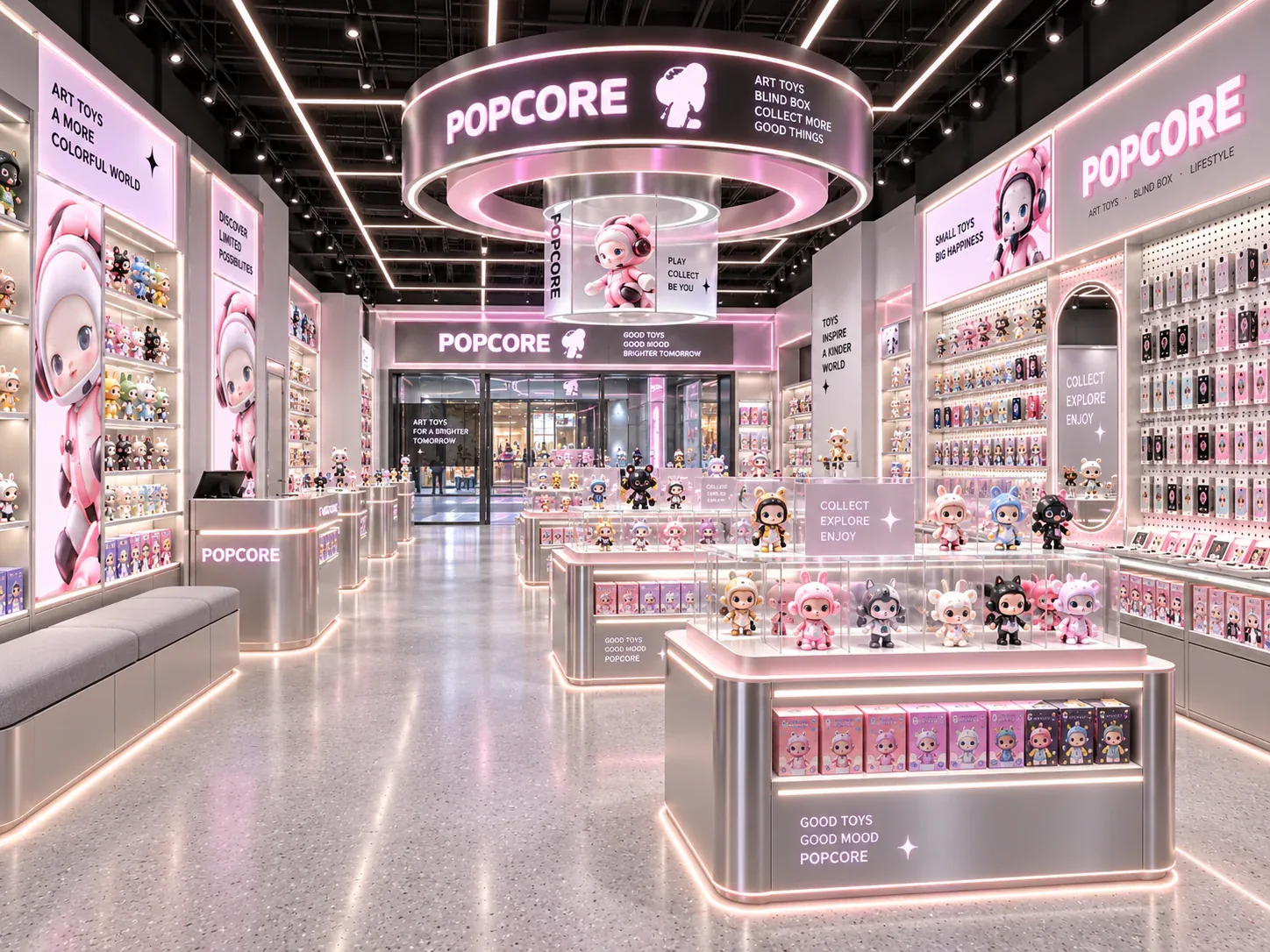
A layout test should answer a specific question about how the proposed store will work. It can reveal an unclear purchase sequence, an awkward stock-retrieval route or a display arrangement that does not support the actual merchandise.
Three decisions to carry into your project.
- 01
Choose questions that can change the order
- 02
Select the appropriate test format
- 03
Use the current merchandise assumptions
Start with the decision
A layout test should answer a specific question about how the proposed store will work. It can reveal an unclear purchase sequence, an awkward stock-retrieval route or a display arrangement that does not support the actual merchandise. A walkthrough becomes more useful when the team records the scenario, observes what happens and connects the result to a design decision.
Prepare a short test plan before building a mock-up or gathering reviewers. Identify the tasks, the layout revision, the representative products and the questions that matter to the purchase. The exercise supports design evaluation; it does not certify structural, electrical, fire or accessibility compliance, which requires the appropriate professional review.
Choose questions that can change the order
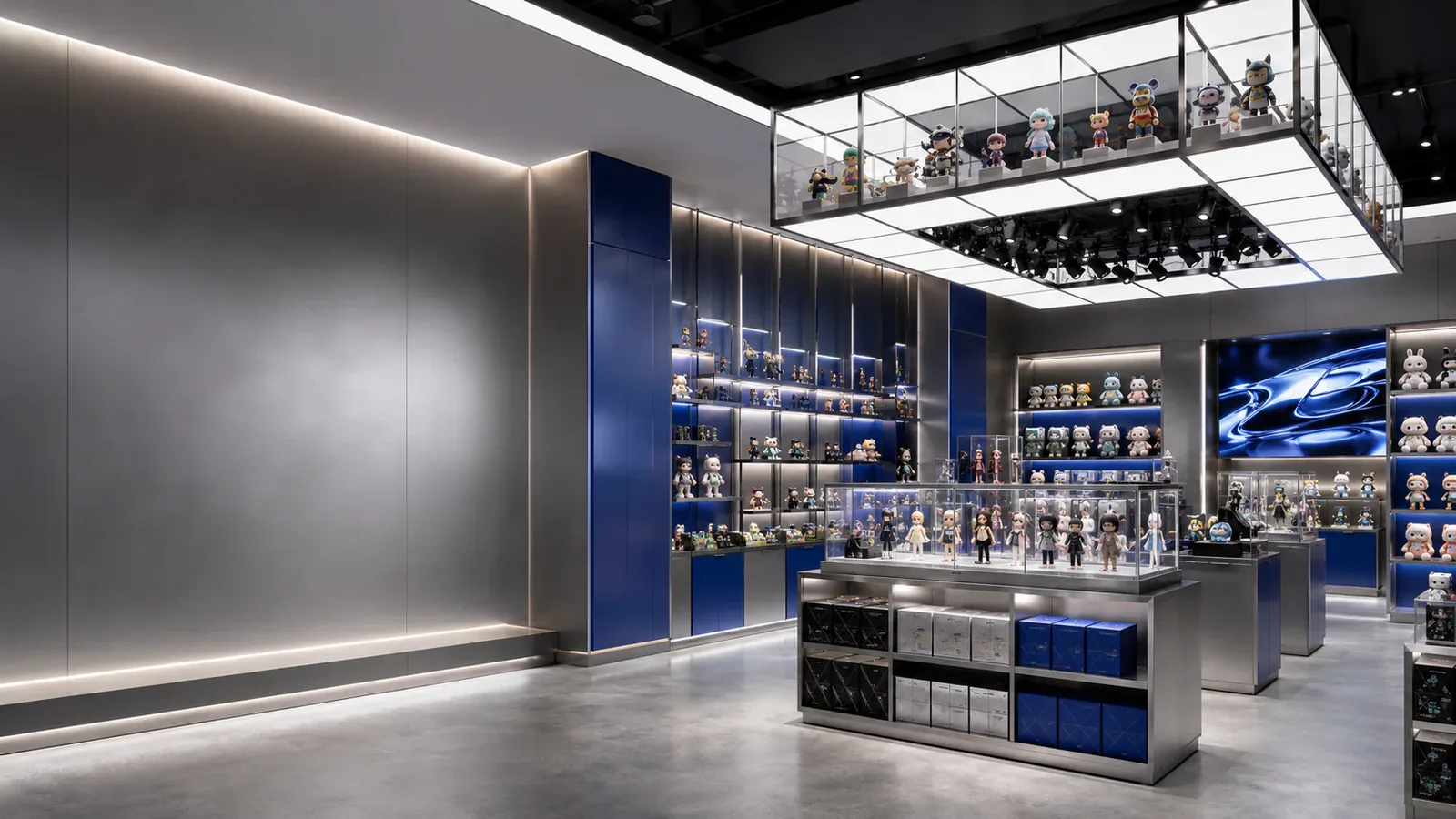
Focus on uncertainties that affect the fixture specification or layout. The team might need to know whether a sample-led purchase has a clear service route, whether two categories can share a display or whether replenishment conflicts with a browsing task. A test should have a possible consequence for the decision.
Avoid asking only whether participants like the design. Aesthetic feedback can be useful, but it does not explain whether a product can be selected or a staff task can be completed. Separate appearance preferences from operational observations so the results remain interpretable.
Write the question before seeing the result. Otherwise the team may unconsciously redefine success around its preferred plan. A clear question gives the buyer a fair basis for comparing alternatives and deciding what further information is needed.
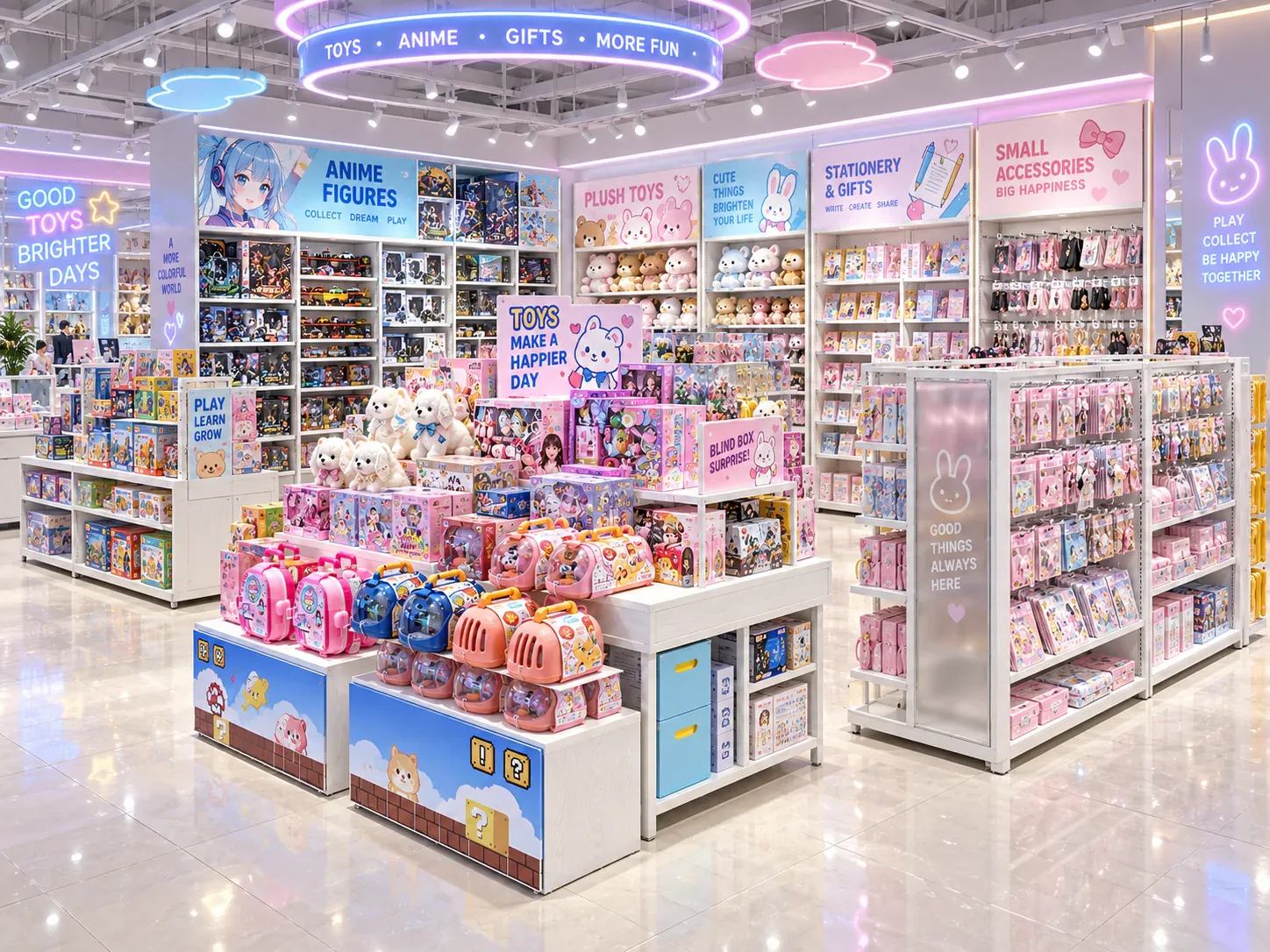
Select the appropriate test format
A marked floor plan can help review routes and relationships. A full-size layout mock-up can make some spatial interactions easier to discuss. A product presentation sample can test fit, visibility or the sequence of selection. Choose the format according to the question rather than assuming the most elaborate mock-up is always necessary.
State the limitations of the chosen format. Tape on the floor does not represent cabinet height or a projecting graphic. A cardboard volume may show an envelope without demonstrating the operation of a real door or drawer. The record should explain what the test can and cannot establish.
Where a realistic prototype is needed, define which parts must be represented accurately. The team may need actual product packaging or the proposed access operation, while decorative finishes remain provisional. This keeps effort focused on the uncertainty being tested.
Use the current merchandise assumptions
Bring representative products or clearly identified substitutes. Include the formats that challenge the proposal, such as a large box, a detailed loose figure or a product requiring staff retrieval. Testing only the easiest items can make an unsuitable arrangement appear more capable than it is.
Record which products are samples and which represent saleable stock. The purchase journey changes when the customer cannot take the displayed object directly. The test should include the corresponding stock and service relationship rather than ending at the moment of inspection.
If the final assortment is not available, state the assumptions and identify what needs to be retested later. A substitute object can support a limited review, but it should not become evidence that every product in the planned range will fit or operate identically.
Write short scenarios for customers and staff
Give each scenario a starting point, task and intended endpoint. For example, a participant might enter looking for a known series, compare two figure samples or request a boxed sale unit. A staff scenario might involve replenishing a particular shelf or retrieving the correct item from reserve stock.
Avoid explaining the route in advance when the test is meant to reveal whether it is understandable. Let the participant describe what they would do, then record where they hesitate or ask a question. Do not interpret hesitation automatically as failure; understand what information or condition caused it.
Include relevant simultaneous activity where practical. One person browsing and another receiving service can reveal interactions that a single-user walkthrough misses. Keep the scenario realistic for the intended operation and identify any limits in how it was represented.
Observe before proposing a fix
Record what happened in neutral language. “Participant looked for assistance beside the figure display” is an observation. “Move the checkout to the back” is a proposed response. Keeping them separate allows the team to consider more than one way to address the same issue.
Ask follow-up questions that clarify the experience without directing the answer. The buyer needs to understand why a destination was unclear or a task became awkward. A reviewer may have used a different purchase assumption from the one in the design brief, which itself can identify an information problem.
Do not turn a small exercise into a statistical claim. A few participants can reveal useful issues, but their responses do not establish a conversion rate or prove that all future shoppers will behave the same way. Report the scope of the test honestly.
Use a scenario-and-decision record
The table below provides a practical record format. Add the actual task, observations and response for each test rather than filling it with generic approval language.
See the decision table below for the working record.
Include the participants' roles and the date. A staff review and a first-time visitor review may reveal different things. The record should preserve that context rather than merging every comment into a single undifferentiated score.
Compare alternatives on the same basis
Use the same merchandise and task assumptions when comparing layouts. If one option includes a realistic graphic and another does not, a difference in recognition may reflect the information rather than the fixture position. Identify the variable being changed and keep other relevant conditions consistent where possible.
The test does not need laboratory precision to be useful, but the comparison should be understandable. Record any unavoidable differences and avoid claiming that one layout performed better for reasons the exercise did not isolate.
If several changes are made together, explain that the result applies to the combined proposal. The buyer may still choose that proposal, but should not attribute the improvement to one specific feature without supporting evidence.
Work through a mixed purchase test
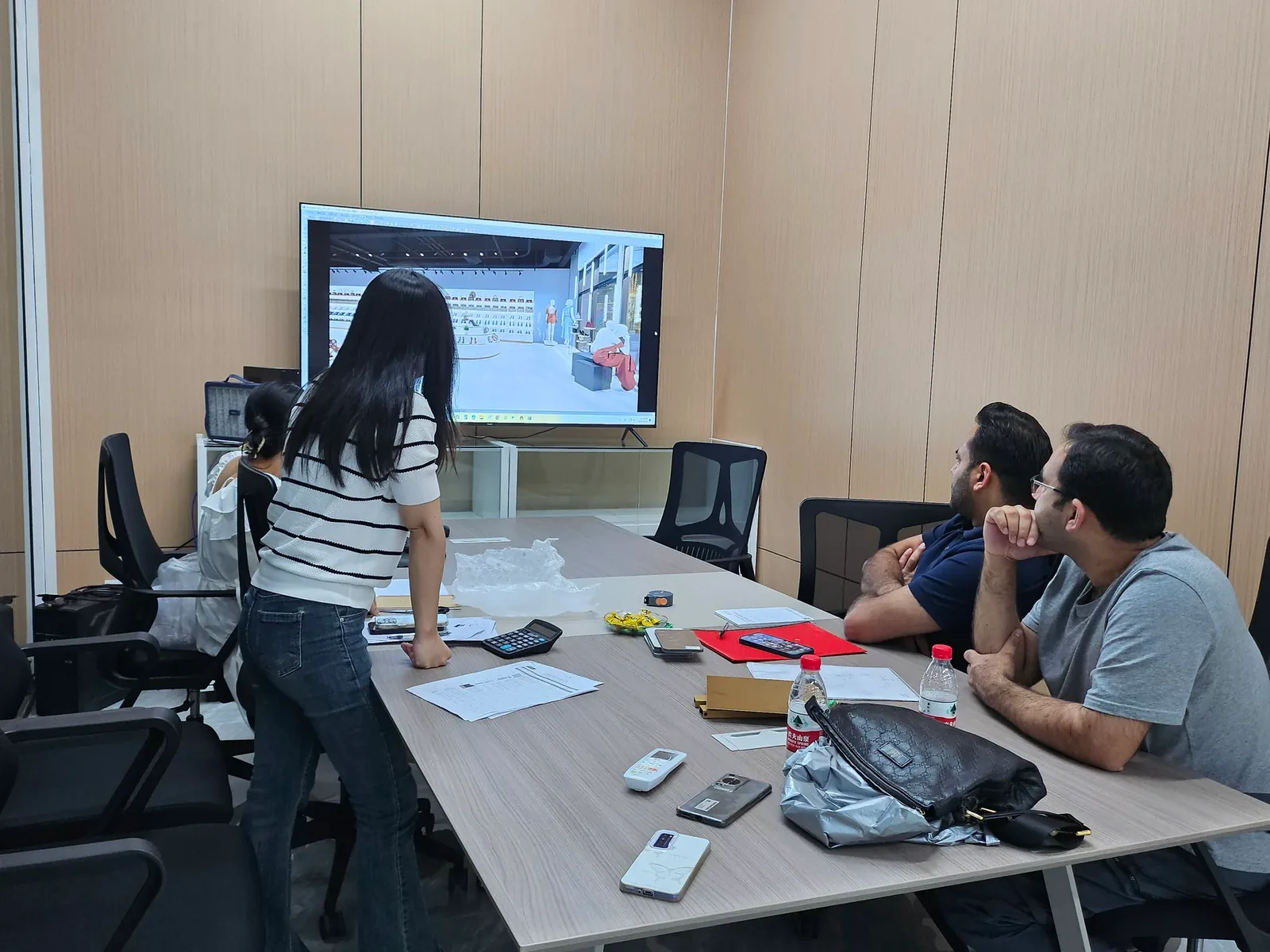
Consider a hypothetical toy store comparing two arrangements for a central island and service counter. The owner wants to know whether customers can move from figure inspection to an assisted purchase while other visitors select blind boxes. The test uses representative products and marked fixture envelopes, with the limitations of the mock-up recorded.
One participant follows the figure-purchase scenario while another browses the blind-box presentation. Staff demonstrate the retrieval and handover sequence. The observer records an unclear assistance cue and a point where the two tasks interact, without immediately deciding that the counter must move.
The designer proposes a clearer service cue and a revised island orientation. The same scenarios are repeated, and the team records what changed and what remains unresolved. A separate product-access detail is left for a more representative fixture sample because the floor mock-up cannot demonstrate it.
The owner now has evidence for the relevant layout decisions and a specific follow-up requirement. This illustrative exercise does not claim a guaranteed commercial result or complete technical approval. It shows how a limited test can still be useful when its scope is explicit.
Turn findings into an order-ready brief
Classify the findings by what they affect: layout, fixture dimensions, merchandise presentation, information or operating procedure. Assign an owner to each accepted response. Some issues belong in the supplier's drawing revision, while others belong in the store's merchandising or staff plan.
Check that the resulting documents actually incorporate the decisions. A successful workshop can be wasted if the quotation and drawings still describe the earlier configuration. Reference the accepted layout and identify any conditions that remain open before release.
Keep the test record concise enough to use during later changes. It should explain why a fixture was positioned or configured in a particular way, helping the team evaluate new requests without repeating every discussion from the beginning.
Know when another test is warranted
Preserve photographs or sketches of the test setup where they help explain the result. Label the represented fixture dimensions and note any missing elements, such as overhead graphics or working cabinet doors. A later reviewer should be able to distinguish a finding based on a realistic physical arrangement from one based on a simplified floor outline. This also helps the supplier identify which conclusions can inform its drawing immediately and which should remain conditional until the corresponding product or installation detail is represented properly.
Retest when a material change affects the question already reviewed or when the first exercise could not represent an important condition. Do not repeat a successful test merely to create more documentation. The next exercise should resolve a new uncertainty or verify a meaningful response.
For a custom toy store fixture enquiry, include the accepted test findings and the remaining questions. They give the supplier a practical account of what the layout must support and which details still need evidence before the buyer commits to the final configuration.
Compare one controlled basis.
How we apply this decision.
Preserve photographs or sketches of the test setup where they help explain the result. Label the represented fixture dimensions and note any missing elements, such as overhead graphics or working cabinet doors. A later reviewer should be able to distinguish a finding based on a realistic physical arrangement from one based on a simplified floor outline. This also helps the supplier identify which conclusions can inform its drawing immediately and which should remain conditional until the corresponding product or installation detail is represented properly.
Review BENSON capabilities →What still needs project confirmation.
Use the actual site, merchandise and supplier information to confirm the project-specific arrangement. Illustrative examples do not establish technical suitability.
Prepare the required inputs →Avoid these shortcuts.
- Treating a reference image as an approved production specification.
- Comparing suppliers without identical dimensions, quantities and delivery scope.
- Separating material, lighting or hardware decisions from the drawing revision.
- Leaving packing, local installation and site interfaces undefined.
Before the next approval.
- Choose questions that can change the order
- Select the appropriate test format
- Use the current merchandise assumptions
- Record each open point, owner, due date and required evidence.
Trace the supporting information.
Content review policyUpdated 2026-09-08. AI-assisted buyer guidance; no independent technical review is claimed.
Move from research to a project decision.
Keep building the specification.
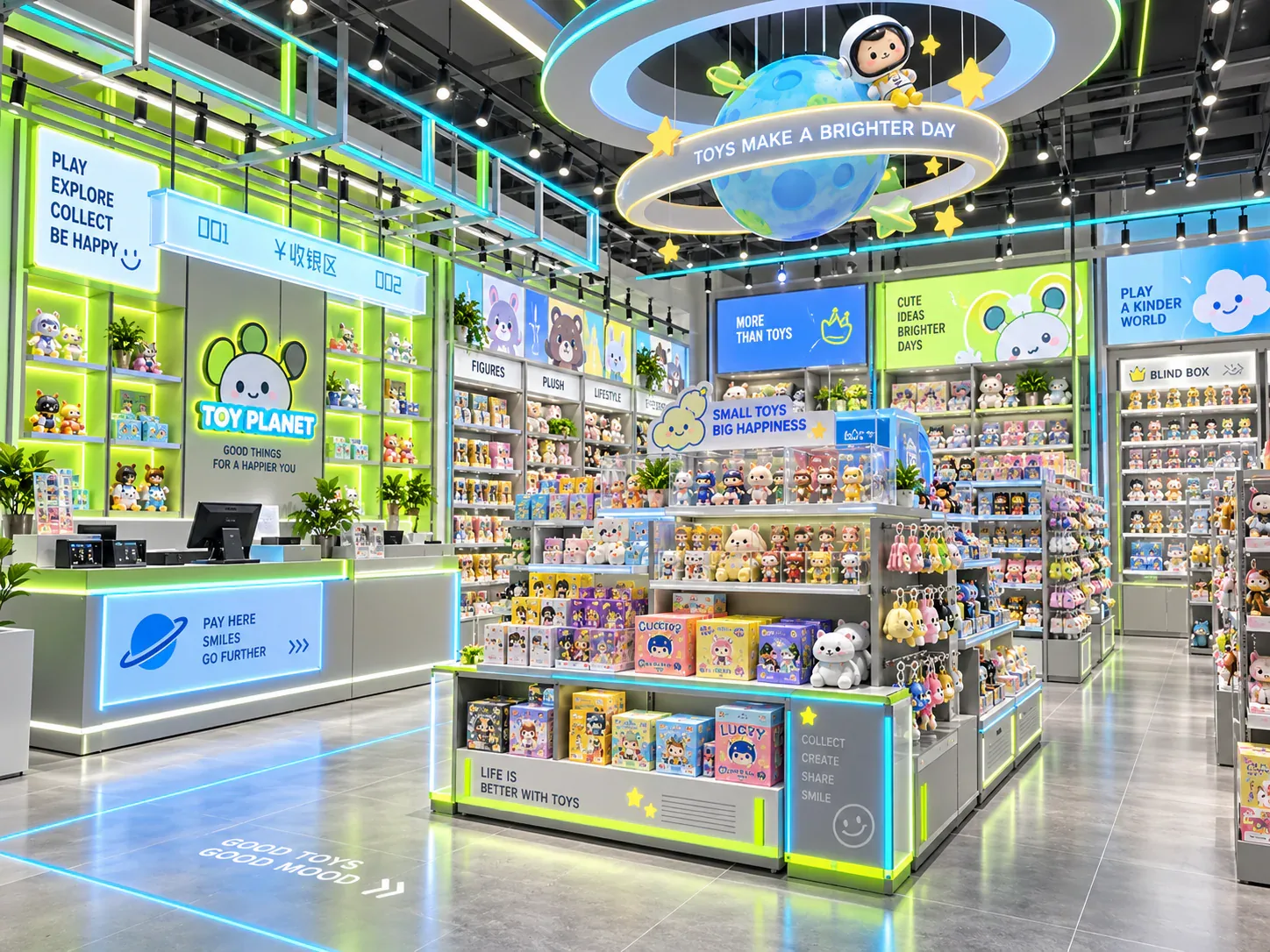
Adapting a Fixture Layout to a Narrow Retail Unit
A narrow retail unit needs a layout that makes its length useful without treating the remaining space between fixtures as an afterthought. The buyer must consider how products are presented, where customers pause, how staff move stock and how the store's destinations become understandable.
Read next →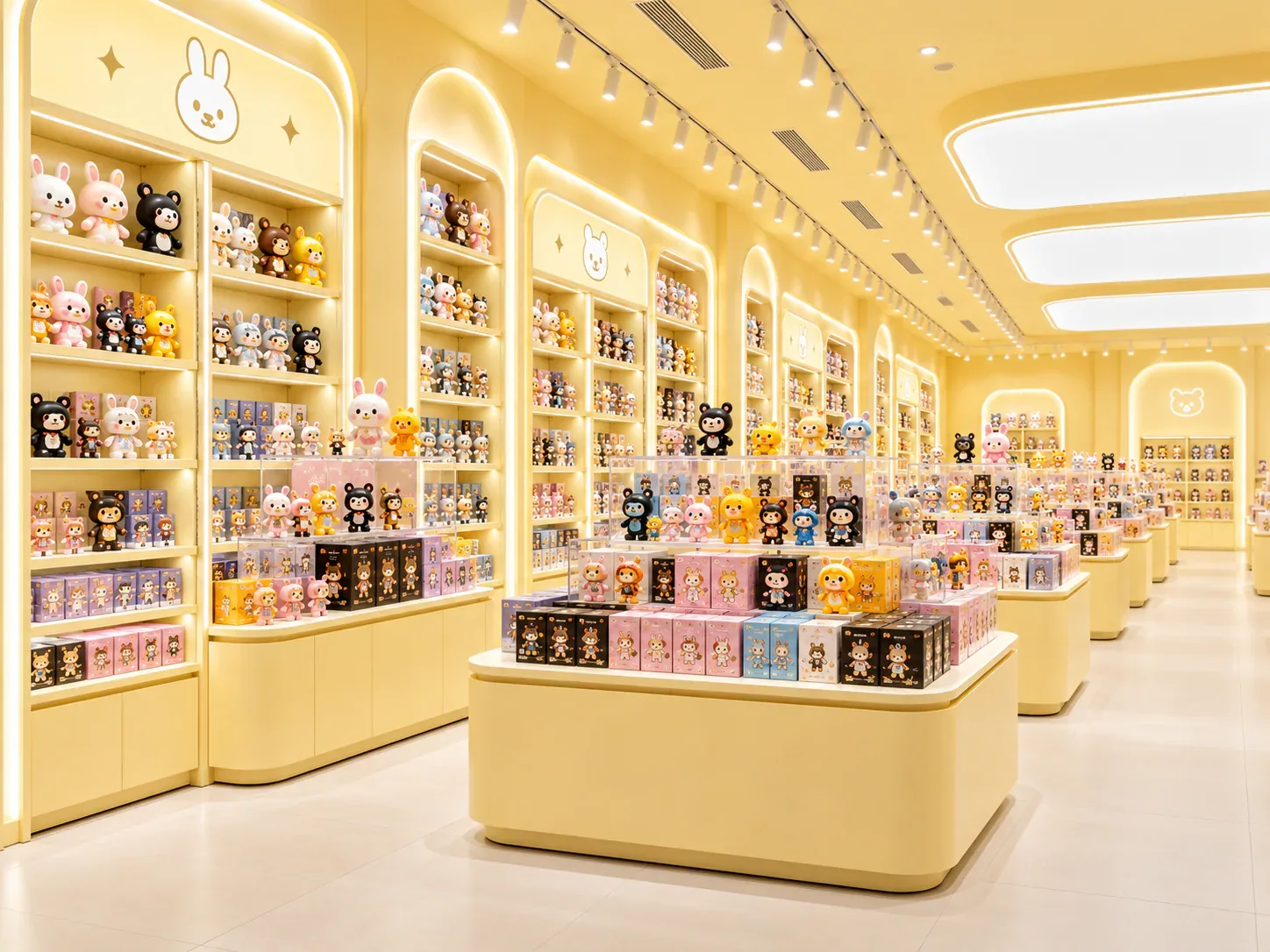
Assigning Decision Owners in a Custom Store Fixture Project
A custom store fixture project involves decisions about merchandise, appearance, dimensions, materials, price, site interfaces and delivery. These decisions are connected, but they do not necessarily belong to the same person.
Read next →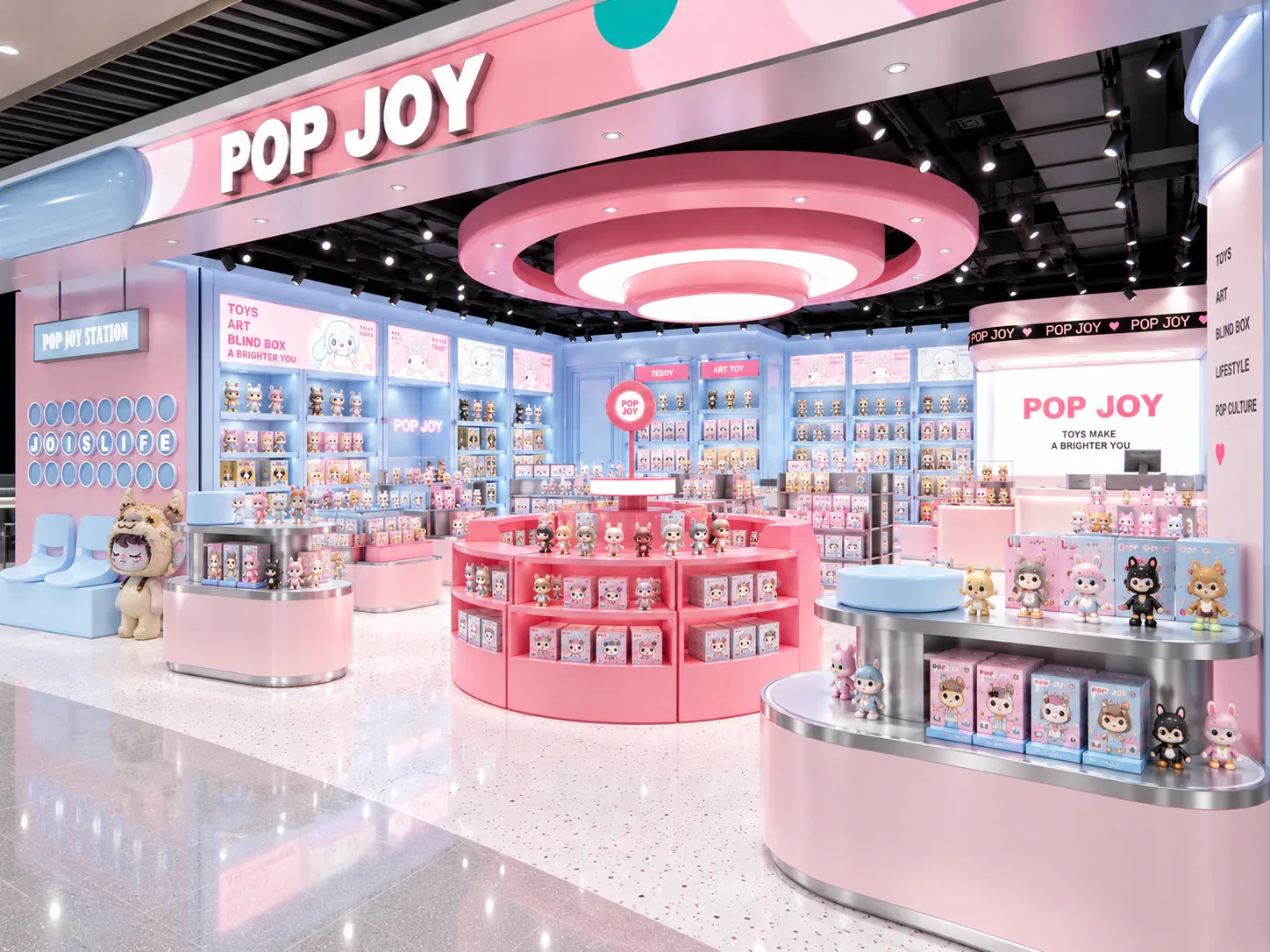
Balancing Browsing Space and Display Density in a Small Toy Store
A small toy store needs enough merchandise on display to communicate its offer, but adding more visible stock is not automatically a better use of the floor. Customers still need to identify products, inspect details and make selections, while staff need to replenish and assist.
Read next →Get a project-specific recommendation.
Send your store plan, product sizes, fixture quantities, destination and opening target. BENSON will identify the product fit, engineering inputs and quotation basis.
Start Your Display Project