Separating Prototype Costs from Production Unit Prices
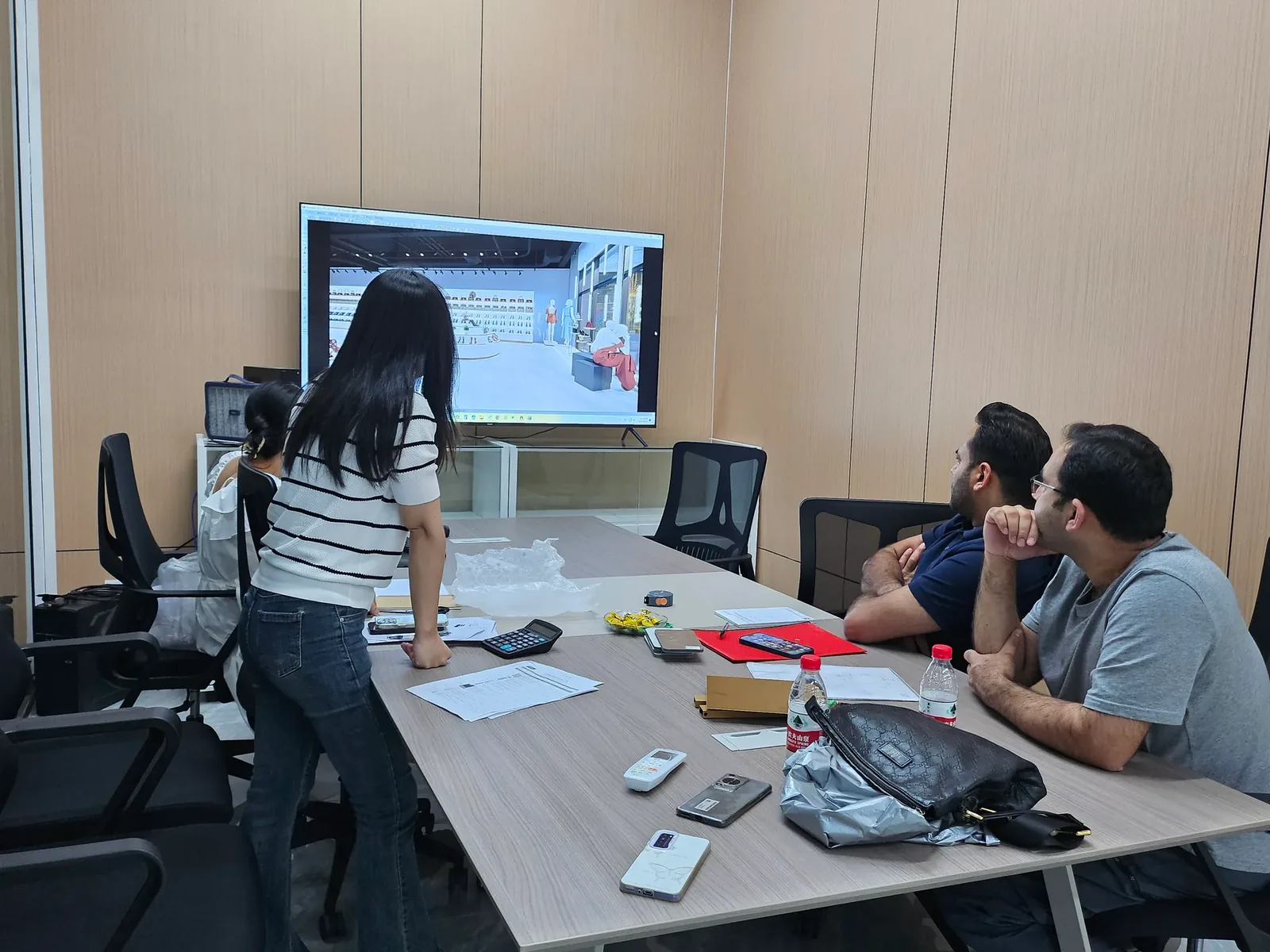
Compare custom-fixture quotations by separating one-time development, prototype work, repeated production and delivery scope.
- Published
- 2026-10-22
- Updated
- 2026-10-22
- Reading time
- 5 minutes
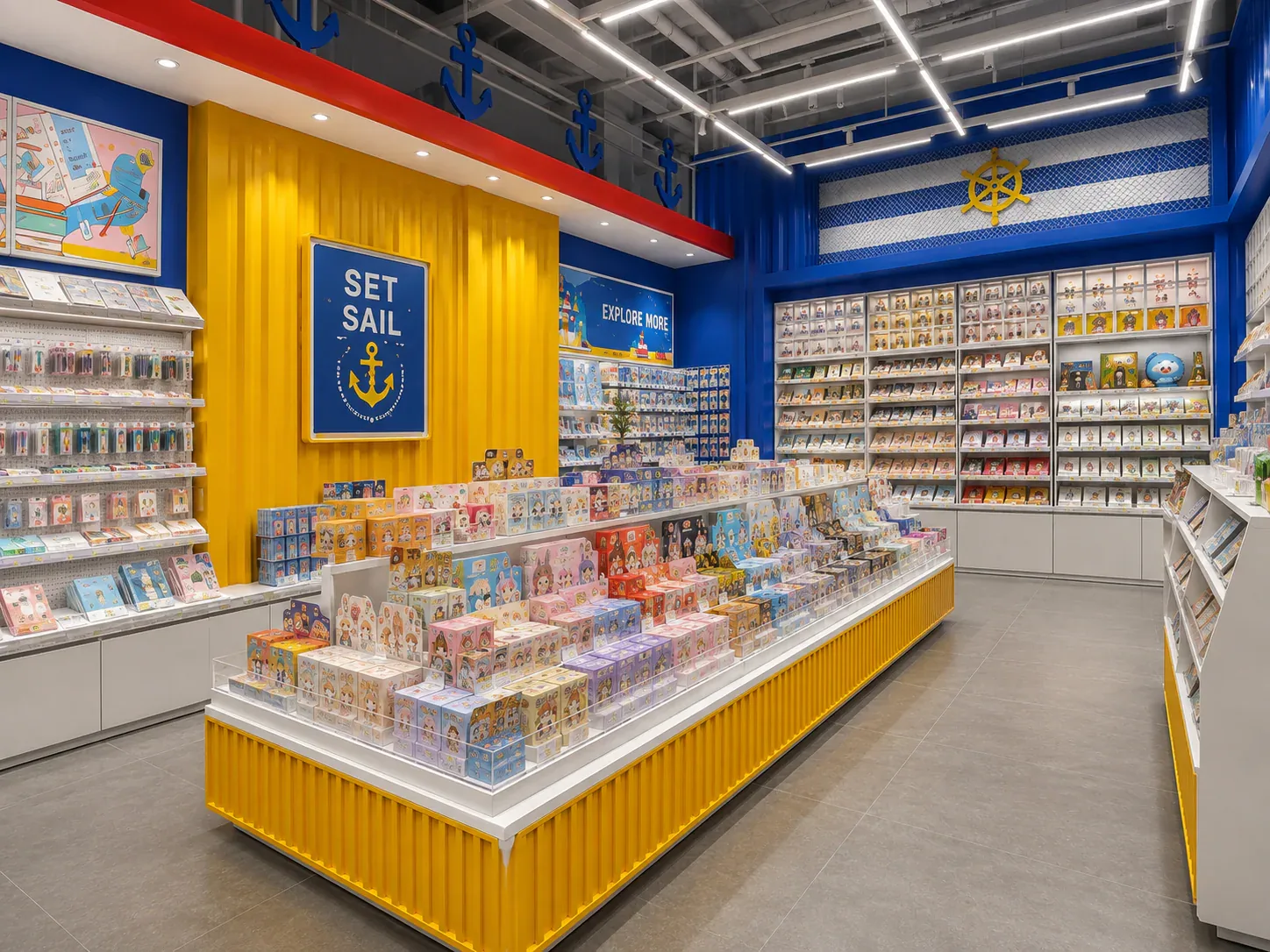
Compare custom-fixture quotations by separating one-time development, prototype work, repeated production and delivery scope. A single cabinet price can hide different assumptions about drawings, samples, revisions and packing.
Three decisions to carry into your project.
- 01
Define the cost boundary before requesting numbers
- 02
Separate development from repeated manufacturing
- 03
Build a like-for-like quotation table
Start with the decision
Compare custom-fixture quotations by separating one-time development, prototype work, repeated production and delivery scope. A single cabinet price can hide different assumptions about drawings, samples, revisions and packing. The useful comparison is the cost of the same approved configuration at the same quantity and service boundary.
This guide provides a quotation structure, not a market price list. All monetary calculations below are hypothetical examples in unspecified currency units. They are not BENSON prices, an offer or a prediction of what a supplier will charge.

Define the cost boundary before requesting numbers
Give every bidder the fixture references, quantities, usable dimensions, materials, finishes, hardware and lighting requirements. State the delivery location and which design, packing, freight and installation tasks must be priced. If information is not yet known, request a visible assumption rather than allowing each supplier to select a different configuration silently.
Distinguish a concept estimate from a quotation based on released drawings. A budget figure may be useful while the store plan develops, but it should identify what can change. Avoid comparing an early allowance with a detailed production quote as though the difference were entirely a supplier margin.
Use one list of requested exclusions. For example, local electrical work, unloading equipment and destination storage may be outside the fixture supplier's scope. They still belong in the buyer's project budget even when they are not included in the supplier's invoice.
Separate development from repeated manufacturing
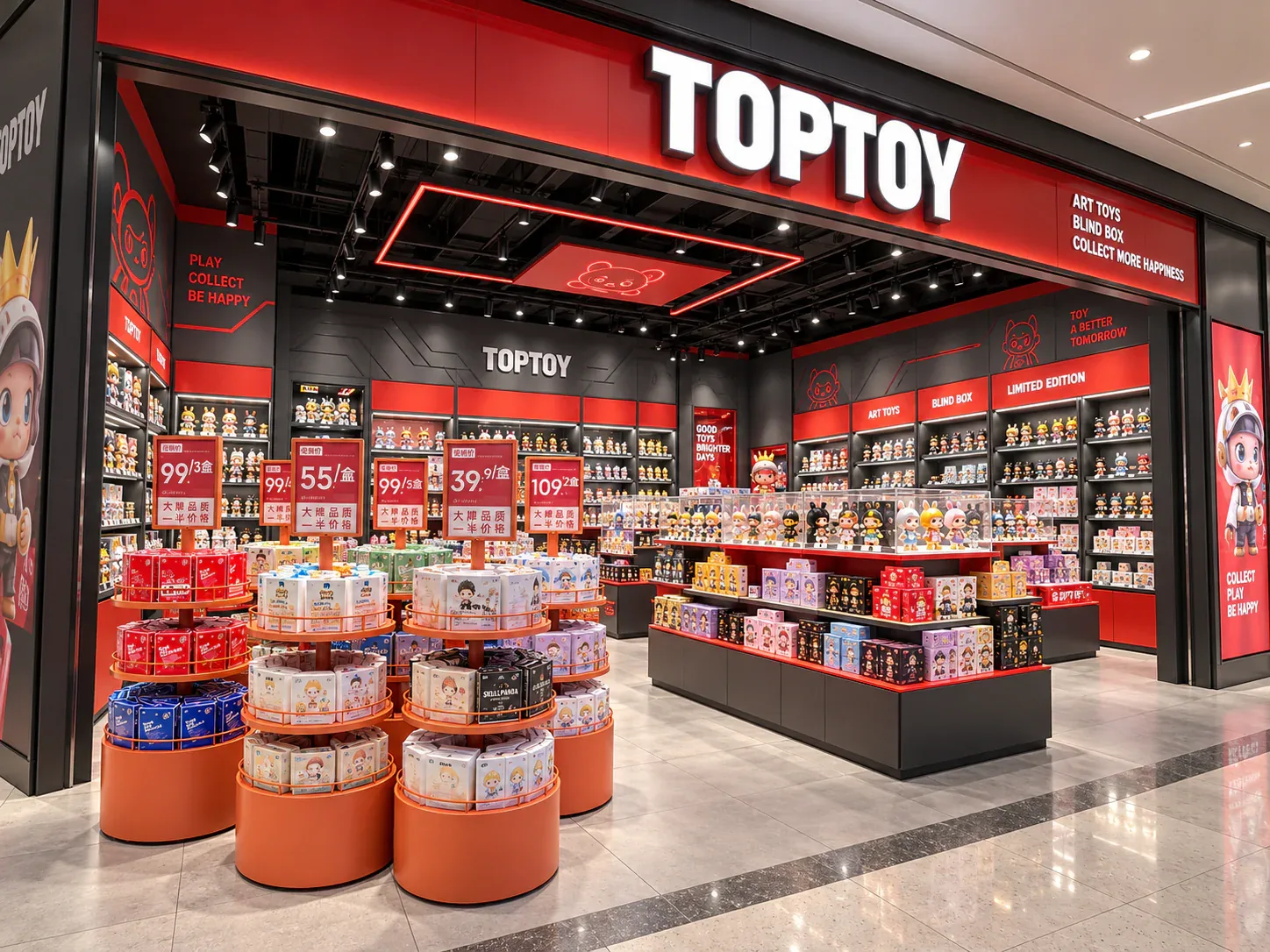
Development may include engineering a new connection, drawing a fixture family, preparing a sample finish or producing a test assembly. These activities do not necessarily repeat for every unit. Conversely, some setup activities may repeat for every batch, revision or finish change. Ask the supplier to name the trigger instead of labelling all non-unit costs as one-time.
Prototype work has its own boundary: what is built, what questions it answers, which materials are production-intent and whether changes are included. A visual mock-up is not equivalent to a functioning first article. If their purposes differ, their prices cannot establish which proposal offers better value.
Protolabs' discussion of tooling comparisons illustrates a general problem: a material-only comparison can omit work included in a more complete proposal. Its manufacturing examples are not a retail-fixture price benchmark. Apply the principle by requesting complete line-item scope for this order.
Build a like-for-like quotation table
See the decision table below for the working record.
Request quantities beside every unit price. A supplier's rate for repeated bays may not apply to a single special corner. Identify whether a prototype is additional to the ordered quantity, becomes a saleable unit after approval, or is retained as a reference. Each treatment changes the comparison.
Use arithmetic without inventing a saving
In a hypothetical comparison, proposal A has development of 600 and a repeated unit price of 300. Proposal B has development of 100 and a repeated unit price of 340. For ten equivalent units, their totals before common excluded costs are 3,600 and 3,500. For twenty, the totals are 6,600 and 6,900.
The arithmetic shows why quantity matters; it does not prove A or B is the better supplier. The configurations, quality evidence, prototype scope and commercial responsibilities must first match. If proposal A excludes packing that proposal B includes, add a comparable packing amount before drawing a conclusion. Do not present a calculated crossover as a guaranteed price available at an unconfirmed order volume.
Document which quantity is committed and which is only forecast. A possible future rollout should not be counted as an existing purchase. Request separate scenarios if useful, with the validity and conditions of each scenario recorded.
Check sample credits and ownership explicitly
Some offers may credit part of a sample charge against later production. Record the qualifying order, time limit, minimum quantity and whether the credit appears before or after tax or freight. An unconfirmed future credit should not be deducted from the current cash requirement.
Ask who owns a reusable tool, drawing or retained sample, where it will be stored and what happens when the design changes. Ownership and practical reuse are different questions. A buyer may own an item but still need handling, maintenance or compatibility work before another batch can use it.
If the prototype is shipped overseas, separate its protective packing and transport from the main shipment. Do not assume that sending one sample establishes the freight method or package efficiency for a complete store.
Control changes after approval
A new finish, larger shelf, different lock or altered lighting route can change development and repeated unit cost differently. Require a change record identifying the affected fixtures, drawing revision, quantities, added or removed work and timing consequence. Avoid updating a headline unit price without explaining the changed scope.
Use the same approach when the quantity falls. A lower quantity may leave development unchanged while reducing the repeated manufacturing total. The appropriate response is an updated quotation, not an assumption that the earlier unit price remains available at every order size.
Turn the comparison into an order-ready record
Summarise the chosen configuration, confirmed quantities, development deliverables, prototype decision and delivery responsibilities. Keep unresolved allowances visible until the responsible party closes them. The signed terms should identify the payment and approval events that start production timing.
Prepare the editable RFQ worksheet, compare complete-store fixtures with modular systems, and use the custom versus standard decision guide. The objective is a comparable scope and a usable cash plan, rather than the lowest isolated cabinet number.
Compare one controlled basis.
How we apply this decision.
Summarise the chosen configuration, confirmed quantities, development deliverables, prototype decision and delivery responsibilities. Keep unresolved allowances visible until the responsible party closes them. The signed terms should identify the payment and approval events that start production timing.
Review BENSON capabilities →What still needs project confirmation.
Use the actual site, merchandise and supplier information to confirm the project-specific arrangement. Illustrative examples do not establish technical suitability.
Prepare the required inputs →Avoid these shortcuts.
- Treating a reference image as an approved production specification.
- Comparing suppliers without identical dimensions, quantities and delivery scope.
- Separating material, lighting or hardware decisions from the drawing revision.
- Leaving packing, local installation and site interfaces undefined.
Before the next approval.
- Define the cost boundary before requesting numbers
- Separate development from repeated manufacturing
- Build a like-for-like quotation table
- Record each open point, owner, due date and required evidence.
Trace the supporting information.
Protolabs: comparing tooling approaches and cost scope ↗Further reading referenced in this guide.
Content review policyUpdated 2026-10-22. AI-assisted buyer guidance; no independent technical review is claimed.
Move from research to a project decision.
Get a project-specific recommendation.
Send your store plan, product sizes, fixture quantities, destination and opening target. BENSON will identify the product fit, engineering inputs and quotation basis.
Start Your Display Project