Planning Fixture Access Through Lifts and Loading Bays
Delivering fixtures through a mall loading bay and goods lift requires more than checking whether a cabinet fits through a door.
- Published
- 2026-09-08
- Updated
- 2026-09-08
- Reading time
- 8 minutes
Delivering fixtures through a mall loading bay and goods lift requires more than checking whether a cabinet fits through a door. The buyer needs a coordinated arrangement covering the permitted vehicle arrival, unloading location, lift use, receiving team and final handover.
Three decisions to carry into your project.
- 01
Define the handover that has actually been purchased
- 02
Obtain the building's current receiving procedure
- 03
Describe the packages and handling equipment
Start with the decision
Delivering fixtures through a mall loading bay and goods lift requires more than checking whether a cabinet fits through a door. The buyer needs a coordinated arrangement covering the permitted vehicle arrival, unloading location, lift use, receiving team and final handover. Geometric access and operational permission are separate questions, and both need to be resolved before the shipment is dispatched.
Prepare a delivery-access sheet that connects the actual packages to the building's current receiving arrangements. Obtain lift information from the responsible building team and handling information from the delivery provider. The sheet supports coordination; it does not authorise a lifting operation, establish equipment capacity or replace the competent assessment required for the proposed movement.
Define the handover that has actually been purchased
Begin with the agreed delivery service. A quotation may describe delivery to a destination without including every movement inside the building. Identify the actual unloading and handover point, then establish who is responsible for the remaining route. Do not infer an inside-store service from a general destination address.
Ask the logistics provider to explain its scope in concrete terms. The buyer should know who supplies handling equipment, who provides labour and which building arrangements must be made by the recipient. Where another contractor takes over, record the transfer point and the information that must accompany the goods.
Keep the commercial agreement and the operational plan aligned. If the site requires a service not included in the original arrangement, resolve that gap before booking. The delivery-access sheet should reflect the agreed service rather than creating obligations that the provider has not accepted.
Obtain the building's current receiving procedure
Ask the designated building contact for the procedure applicable to this unit and delivery type. Identify booking requirements, permitted routes, documentation and the person who confirms the arrangement. These are site-specific inputs; do not copy assumed rules from another mall.
Record whether the loading bay and lift are reserved together or coordinated separately. A confirmed arrival time does not necessarily mean the lift is available for the same period. The buyer needs to see all the connected arrangements that determine whether the goods can move beyond the unloading point.
Keep later changes visible. Building works, another tenant's delivery or altered operating arrangements may affect the plan. Identify who will communicate updates and how the logistics provider will receive them before arrival. A booking reference without a current contact is an incomplete operational handover.
Describe the packages and handling equipment
Provide the delivery team with the actual package list or the latest clearly identified estimate. Include package dimensions and mass as supplied and confirmed through the relevant parties. Distinguish assembled fixtures from loose components and identify any handling instructions that affect the proposed movement.
The handling equipment also occupies space and has its own requirements. The responsible provider must assess the complete movement, including equipment, goods and people, against the building information. The buyer should not compare cabinet mass alone with a lift label and declare the operation acceptable.
If final package information changes after the booking, send the revision to the affected participants. Larger protection, a different pallet arrangement or a combined package can alter the access question even when the number of display units remains unchanged. Link the booking review to the package revision it actually considered.
Collect lift information from its responsible operator
Ask the building team for the lift identification, usable dimensions, door conditions and applicable operating information needed by the delivery provider. Where capacity or other limits matter, obtain the relevant documented information through the responsible party rather than relying on an informal recollection.
Photographs and measurements can help explain the physical arrangement, but they do not establish permission to use the lift or prove the suitability of a handling method. The responsible operator and delivery provider need to confirm the proposed use within their roles. Keep that confirmation separate from the buyer's observational notes.
Do not assume that a passenger lift can be used because a goods lift is unavailable, or that an alternative lift has the same conditions. Any alternative should be identified and reviewed as its own route. A last-minute substitution can introduce different geometry and operating requirements.
Examine the transfer at each lift landing
The package must approach the lift, pass through the opening, occupy the lift as planned and leave it at the destination. Record the space around both landings and the relationship to the next route segment. An acceptable cabin dimension alone does not demonstrate the complete movement.
Identify door positions, turns and other relevant visible constraints through the site survey. Let the competent handling team determine the method and any additional information it needs. The owner should not prescribe an improvised tilt, lift or removal operation to make a package fit.
Include the destination staging area. If the store is not ready to receive the full shipment, the team needs an agreed arrangement for what happens after the first packages leave the lift. Moving goods to an unapproved corridor is not a substitute for a receiving plan.
Build a connected booking sheet
Use the following structure to collect the information in one place. Actual times, limits and procedures should come from the relevant building and delivery participants.
See the decision table below for the working record.
Add unresolved questions and an owner for each one. The sheet should make it obvious when a booking exists but a technical or operational question remains open. Avoid a single “delivery approved” checkbox that conceals the different confirmations required from different people.
Compare one delivery with a staged arrangement
A single delivery may simplify coordination and keep the fixture package together, but it requires the receiving location to manage the complete shipment. A staged arrangement may suit a phased installation while introducing additional bookings, handovers and package-control work. Compare the complete operational consequences.
Ask whether the proposed stages produce a useful installation sequence. Splitting a shipment arbitrarily can leave the installer with cabinets but missing shared components or essential information. The supplier and installer should define the package relationships before the logistics plan treats the stages as independent.
Also identify the cost and responsibility implications through the actual quotations. Do not assume that additional deliveries, storage or repeat handling are included. A staged plan should be selected because the parties understand how it works, not because it appears to reduce the amount arriving on one day.
Prepare for a changed condition
Agree how the delivery team should report a discrepancy before arrival or at the site. The escalation contact needs enough authority to coordinate a response, while technical or handling decisions remain with the appropriate competent participants. An emergency phone number is useful only if the person knows the agreed plan.
Identify the decision process for a missed booking or unavailable lift. The actual response may involve a revised appointment, an agreed holding arrangement or another reviewed option. Do not instruct a driver to wait or unload in an unapproved location without agreement from the relevant parties.
Keep the package and booking records available to the receiving team. If a transfer is interrupted, they need to know what has arrived, what remains and which components belong together. Clear identification reduces the risk of a partial handover being mistaken for a complete delivery.
Close the receiving handover
After the movement is completed, reconcile the received packages against the identified list and record exceptions through the agreed process. Preserve the relationship between package codes and fixture items so installation can continue without guessing which loose parts belong to which unit.
For a custom toy store fixture programme, share the loading-bay and lift constraints early. This allows shipment configuration, installation sequence and local receiving responsibilities to be discussed while choices remain open. A confirmed route is most valuable when it is connected to a complete, agreed handover.
Compare one controlled basis.
How we apply this decision.
After the movement is completed, reconcile the received packages against the identified list and record exceptions through the agreed process. Preserve the relationship between package codes and fixture items so installation can continue without guessing which loose parts belong to which unit.
Review BENSON capabilities →What still needs project confirmation.
Use the actual site, merchandise and supplier information to confirm the project-specific arrangement. Illustrative examples do not establish technical suitability.
Prepare the required inputs →Avoid these shortcuts.
- Treating a reference image as an approved production specification.
- Comparing suppliers without identical dimensions, quantities and delivery scope.
- Separating material, lighting or hardware decisions from the drawing revision.
- Leaving packing, local installation and site interfaces undefined.
Before the next approval.
- Define the handover that has actually been purchased
- Obtain the building's current receiving procedure
- Describe the packages and handling equipment
- Record each open point, owner, due date and required evidence.
Trace the supporting information.
Content review policyUpdated 2026-09-08. AI-assisted buyer guidance; no independent technical review is claimed.
Move from research to a project decision.
Keep building the specification.
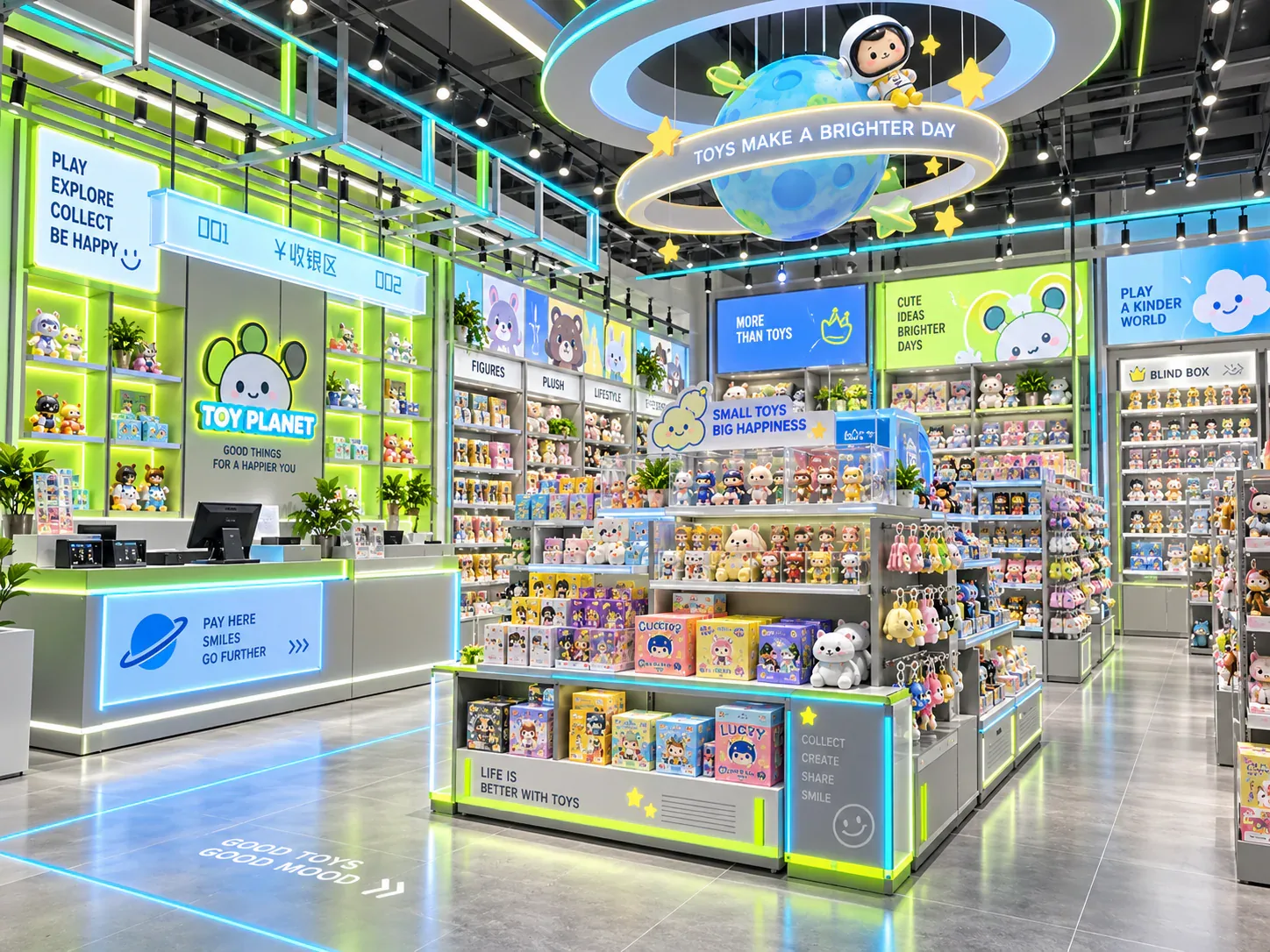
Adapting a Fixture Layout to a Narrow Retail Unit
A narrow retail unit needs a layout that makes its length useful without treating the remaining space between fixtures as an afterthought. The buyer must consider how products are presented, where customers pause, how staff move stock and how the store's destinations become understandable.
Read next →
Assigning Decision Owners in a Custom Store Fixture Project
A custom store fixture project involves decisions about merchandise, appearance, dimensions, materials, price, site interfaces and delivery. These decisions are connected, but they do not necessarily belong to the same person.
Read next →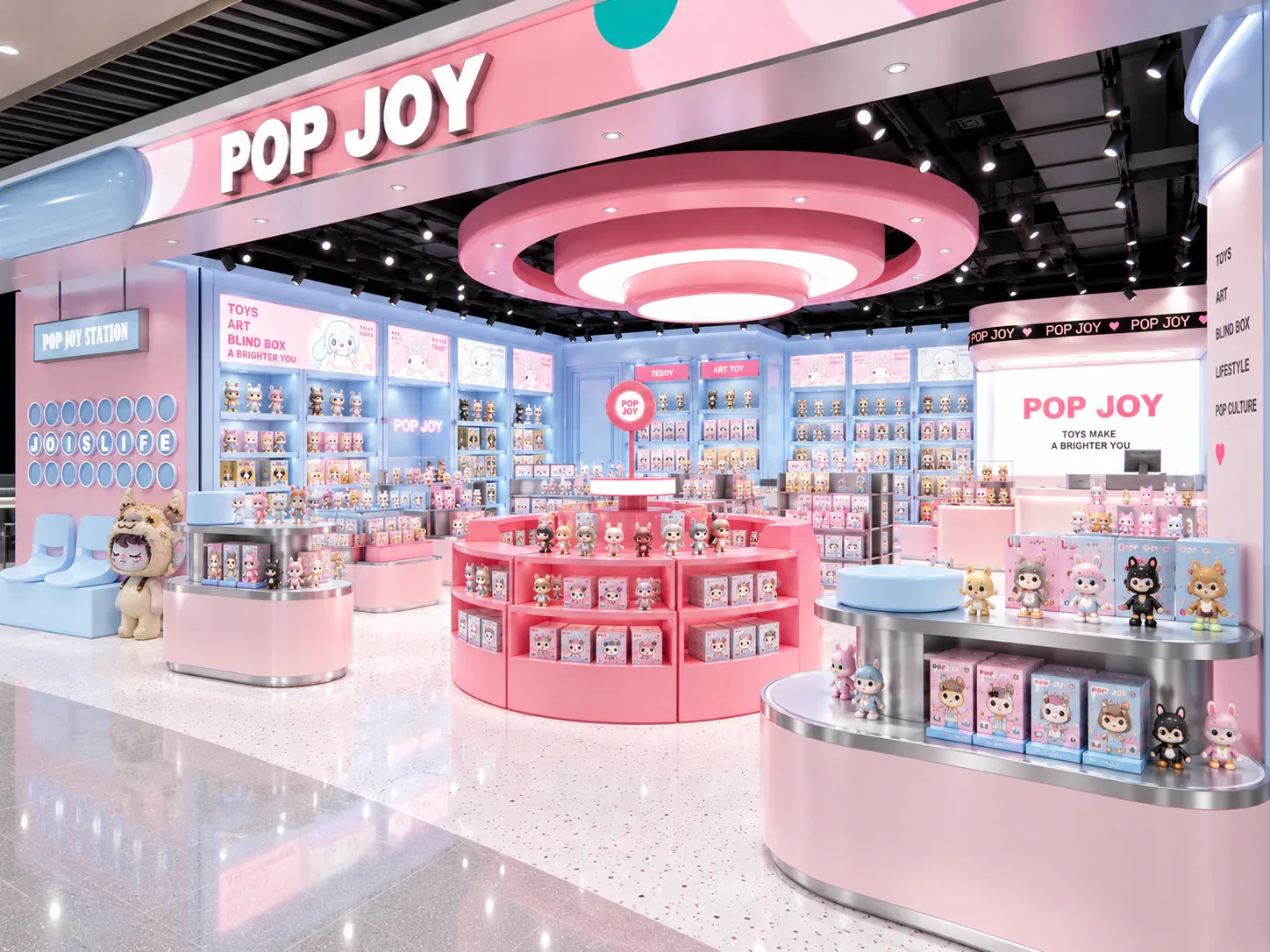
Balancing Browsing Space and Display Density in a Small Toy Store
A small toy store needs enough merchandise on display to communicate its offer, but adding more visible stock is not automatically a better use of the floor. Customers still need to identify products, inspect details and make selections, while staff need to replenish and assist.
Read next →Get a project-specific recommendation.
Send your store plan, product sizes, fixture quantities, destination and opening target. BENSON will identify the product fit, engineering inputs and quotation basis.
Start Your Display Project